Monthly Archives: October 2026

osrs ironman woodcutting guide

Overview of Ironman Woodcutting

Ironmen rely on self‑sufficiency; woodcutting offers a low‑cost, high‑yield skill. Starting in Lumbridge, a steel axe and a small inventory suffices. Progressing to higher trees keeps XP gains steady while preserving resources for other needs. Switch to the north trees for faster XP, keeping inventory light.!!

1.1 Why Woodcutting Is Ideal for Ironmen

Woodcutting stands out as the quintessential skill for Ironmen in Old School RuneScape. It offers a self‑contained progression path that requires minimal external resources, aligning perfectly with the Ironman ethos of self‑sufficiency. The trees that can be felled are abundant across the world, and the rewards—logs, planks, and occasionally valuable items—can be used immediately for cooking, crafting, or building, eliminating the need for expensive trades. Moreover, the skill’s experience rates are consistently high, especially when using the most efficient axe for a given level, allowing players to reach 99 Woodcutting in a fraction of the time it would take to grind other skills. The ability to train in a single location, such as Lumbridge or the north‑side of the city, means Ironmen can maintain a steady training schedule without leaving their base of operations. Finally, woodcutting’s synergy with other skills—like firemaking, cooking, and crafting—creates a virtuous cycle of resource generation that keeps the Ironman’s economy thriving. Because every log can be turned into a useful item—be it a plank for construction or a firewood for cooking—the skill doubles as a resource generator, keeping the Ironman’s bank stocked without external trade. Additionally, the skill’s high experience rates mean that even short training sessions yield significant progress, allowing Ironmen to balance woodcutting with other essential activities. Finally, mastering woodcutting early frees up valuable time for completing quests that offer further experience and useful items, cementing the Ironman’s path to full self‑sufficiency. Woodcutting fuels.

1.2 Essential Tools and Equipment

For an Ironman, a reliable axe is the cornerstone of efficient woodcutting. At the start, a steel axe offers the best balance between durability and cutting speed for levels 1–50. Once you hit level 60, upgrading to a mithril or adamant axe becomes essential; the higher the axe, the faster the logs fall and the less time you spend re‑equipping. Bronze or iron axes are adequate until level 30, after which a steel axe is the default choice. Each axe type has a distinct durability curve, so Ironmen must monitor wear and replace axes promptly to avoid downtime.

Inventory management is equally critical. A typical Ironman carries a small set of items: a bucket for water, a tinderbox for firemaking, a small pot for cooking, and a few coins for emergency purchases. The bucket can be used to collect water for cooking or to keep logs dry during rain. The tinderbox is indispensable for turning logs into firewood, which is a common resource for cooking and other skills. A pot allows you to cook a quick meal, providing a small XP boost and a health restore. Coins are kept for buying a new axe or other essential items when the bank is empty.

When training in Lumbridge, the surrounding trees—oak, willow, and maple—provide a steady stream of logs. For higher levels, the north‑side trees (yew, magic, and redwood) become the primary targets. Each tree type offers a different XP rate, so Ironmen should plan their route to maximize experience while minimizing travel. The best practice is to cut a single type of tree until it is depleted, then switch to the next. This strategy reduces the need for frequent bank visits and keeps the inventory clear. Additionally, using a small bag or a dedicated bank chest can help store excess logs for later use, ensuring that you never waste a single log.

Finally, consider the benefits of a small, portable bank. A portable bank allows you to deposit logs and other items on the go, freeing up inventory space for more efficient cutting. While Ironmen cannot use the standard bank, a portable bank can be purchased early in the game and provides a convenient way to manage resources without leaving the training area. By combining the right axe, a lean inventory, and a portable bank, Ironmen can maintain a smooth, high‑yield woodcutting routine that supports their overall progression.

Efficient Training Routes

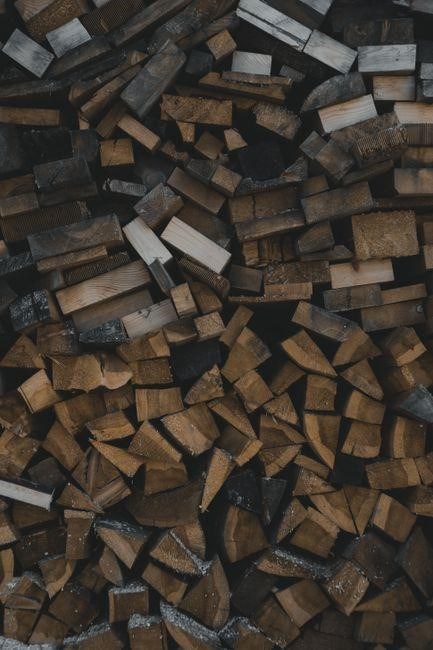
Start in Lumbridge, chop oaks and willows for levels 1‑50. Then move north to yew and magic for 50‑99. Use a steel or mithril axe, keep a inventory and deposit logs in a portable bank to avoid downtime. This route maximizes XP while staying self‑sufficient. Keep the axe repaired and use a bag for logs quick!!!!

2.1 Lumbridge Starter Route

Starting in Lumbridge, ironmen should focus on low‑cost, high‑yield training. The first step is to secure a steel axe, which can be purchased from the blacksmith or crafted from a steel bar and an axe head. A steel axe delivers 50 XP per log and lasts for several hundred chops, making it ideal for the early levels. Once you have the axe, head to the oak trees on the outskirts of town. These oaks yield 50 XP each and are abundant enough that you can chop for hours without interruption. While chopping, keep an eye on your inventory; a small bag or a portable bank will allow you to deposit logs quickly and return to the trees without losing time. After you reach level 30, move north to the willow trees that line the river. Willows provide 75 XP per log, and the increased XP rate helps you close the gap to level 40 faster. Continue this pattern: oak to willow to yew as you progress. Yews, found near the north edge of the map, give 100 XP per log and are the most efficient trees for levels 40‑60. When you hit level 60, the magic trees become your primary source; they grant 125 XP per log and are located in the forest beyond the eastern gate; Throughout this route, always keep your axe repaired with a smithy or by using a repair kit, as a broken axe stops you from earning XP. Additionally, carry a small amount of food to keep safe. stay for safety! By following this Lumbridge starter route, you can steadily climb from level 1 to 99 without the need for expensive gear or external assistance, staying true to the ironman ethos of self‑reliance and efficient resource management.

2.2 Rimmington and Draynor Woodcutting

After establishing a base in Lumbridge, ironmen can expand their training to the forests surrounding Rimmington and Draynor. The Rimmington area offers a cluster of oak trees just north of the village, ideal for levels 1‑30. From there, a short walk leads to the willow trees near the western edge of the Draynor Village, which provide 75 XP per log and are plentiful enough for extended sessions. For levels 30‑40, the best choice is the yew trees located south of the Draynor Village, offering 100 XP per log and a higher drop rate of rare items such as the yew logs that can be sold for profit or used in other skills. Once you reach level 40, the magic trees in the forest north of Draynor become the primary source; they grant 125 XP per log and are surrounded by a dense canopy that reduces the risk of being attacked by monsters. To maximize efficiency, ironmen should carry a small portable bank or use the Draynor bank to deposit logs quickly, allowing them to return to the trees without losing time. Additionally, the Rimmington and Draynor areas are close to the Lumbridge Swamp, which hosts a variety of low‑level monsters that can be killed for food, ensuring that ironmen can maintain their health while training. By integrating the Rimmington and Draynor routes into their training schedule, ironmen can maintain a steady progression from level 1 to 99 while staying within a limited geographic area and preserving resources for other skills. The Draynor bank allows quick resupply us
2.3 One Chunk Ironman Strategy

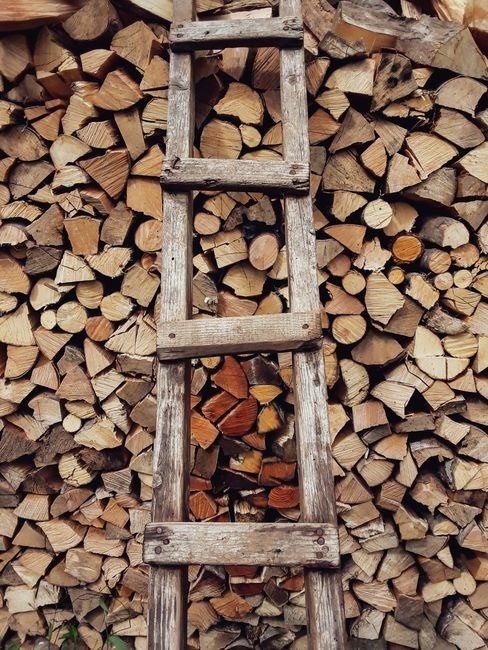
One‑chunk ironmen focus on a single, self‑contained area to avoid unnecessary travel. The most popular choice is the Lumbridge forest, where a steel axe can cut oak logs for 75 XP each. By staying within the same 10‑by‑10 tile zone, the player can repeatedly chop, bank, and re‑equip without leaving the chunk. This method keeps inventory usage low and reduces the risk of losing items. The strategy relies on efficient bank organization: a dedicated slot for logs, a slot for the axe, and a small stash of food. The player should also keep a small supply of coins for any unexpected purchases. The video “Getting 99 Woodcutting With A Steel Axe While Never Leaving Lumbridge” demonstrates the feasibility of this approach, showing that a dedicated chunk can yield a full 99 in a reasonable time. The key to success is to maintain a steady rhythm: chop, bank, re‑equip, repeat. This eliminates travel time and maximizes XP per minute. Additionally, the chunk can be expanded to include nearby trees if the player reaches level 40, adding yew or magic logs while still staying within the same geographic area. By sticking to one chunk, ironmen preserve resources, avoid combat, and keep training focused and efficient. Because the chunk is limited, the player must manage inventory carefully. A typical setup includes a steel axe, a handful of logs, a few coins, and a supply of food. After each chopping session, the player returns to the bank, deposits logs, refills the axe if necessary, and resumes chopping. This cycle keeps the XP rate high and eliminates travel time! Keep it simple.
Resource Management and Bank Organization

Keep a tidy bank: logs in one slot, axe in another, coins for quick purchases, and a small stash of food. Use a dedicated log slot to avoid mixing with other items. Re‑equip the axe after each bank visit, and always leave a spare log for emergencies. This keeps inventory light and XP flow steady. Keep logs ready now!!!
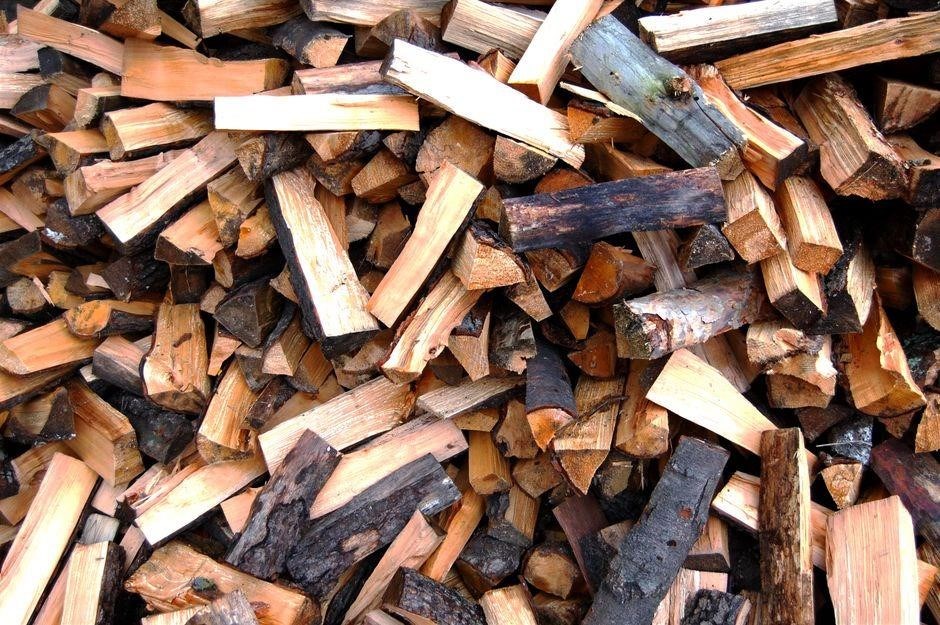
For an ironman, a compact, predictable bank layout saves time and reduces inventory clutter. Place the steel or bronze axe in slot 1 so you can re‑equip with a single click after each bank visit. Slot 2 should hold a stack of logs—preferably the highest‑level logs you can currently cut, such as oak or willow—to avoid having to rummage for the right item. Slot 3 is reserved for coins; keep a small reserve (≈ 1 000 gp) for emergency purchases or to buy a better axe if you’re stuck. Slot 4 holds a handful of food, usually a few pieces of pork or a small stash of fish, to keep your health topped up during long cutting sessions. Slot 5 can be a quick‑access slot for a small bag of seeds or a few coins for the bank’s “bank notes” service. If you’re using a bank chest, keep a spare slot for a small bag of logs that you might need to swap out when you’re low. Finally, keep a dedicated slot for a small stash of miscellaneous items, such as a tinderbox or a small bag of coins, so you never have to dig through your inventory for a single item. This layout keeps your inventory light, reduces the number of clicks needed to re‑equip, and ensures you always have the right tools and resources at hand, allowing you to focus on cutting rather than managing items.

To maintain optimal flow, always ready! If you run out of logs, switch to the nearest higher tree, but never leave Lumbridge for the first few levels. This disciplined approach ensures you never waste time searching for items, keeping your XP gains steady and your inventory light. always ready for XP!!!.and stay ready now!soon

3.2 Inventory Management Tips

To further streamline, consider using a single‑slot storage like a small bag of logs, and keep a backup axe in your bank. When you finish a cutting session, deposit all logs before re‑equipping, so you never waste a click on inventory management. Remember, a tidy inventory saves time reduces frustration!.

Quest Support and XP Boosts

Quests like Tree Gnome Village grant woodcutting XP, while Lost City offers a log‑free boost. Use the Barbarian Assault for a temporary XP multiplier. Combine with the Woodcutting Guild bonus for efficient training. Keep chopping!!!

!!!!!!

4.1 Relevant Quests for XP

For ironmen, quests that grant woodcutting experience or unlock useful bonuses are essential. The Tree Gnome Village quest rewards a small XP boost and unlocks the ability to cut higher‑level trees without a special axe. Lost City provides a free log‑cutting bonus and a small XP reward. The Grand Tree quest offers a modest XP reward and access to the giant tree. Barbarian Assault gives a temporary XP multiplier when you complete the quest. Completing these quests early ensures a steady progression while keeping inventory light. Additionally, the Quest to the Karamja volcano, the Dragon Slayer quest, and the Druidic Ritual quest each provide small but valuable XP rewards when you cut logs near the quest locations. The quest “The Knight’s Sword” also gives a small woodcutting bonus for cutting logs in the nearby forest. The “Druidic Ritual” quest unlocks a special log that can be cut for extra XP. The “Tree Gnome Village” quest also grants a small bonus when cutting trees in the Gnome area. Remember to use the “Tree Gnome Village” quest reward to upgrade your axe to a steel axe, which is the best tool for ironmen at lower levels. The “Lost City” quest gives a free log‑cutting bonus that can be used to cut logs without spending any resources. The “Grand Tree” quest unlocks a giant tree that can be cut for a large XP boost. The “Barbarian Assault” quest gives a temporary XP multiplier that can be used to boost your training. By completing these quests early, you can maximize your woodcutting experience while keeping your inventory light and your resources in check. Use quest rewards to keep inventory light and full.

4.2 Prayers and Bonuses

Woodcutting gains from a few prayers and quest rewards that are cheap for ironmen. The Protect from Magic prayer cuts the chance of a tree being damaged by magical attacks, saving logs that would otherwise be lost. Protect from Melee stops melee attacks from nearby bandits or goblins, useful when cutting higher‑level trees. Quest rewards also help: the Tree Gnome Village quest gives a 10% XP boost for a short time, while the Grand Tree quest unlocks a giant tree that provides a large XP reward. The Barbarian Assault quest offers a temporary XP multiplier after completion. Once level 99, the Woodcutting Skillcape grants a permanent 5% XP boost that can be worn while cutting any tree. Additionally, level thresholds give automatic bonuses: level 25 adds 1%, level 50 adds 2%, and level 75 adds 3%. These bonuses stack with prayers and quest rewards, creating a significant XP gain without extra spending. By choosing the right prayers and completing the key quests, ironmen can train woodcutting efficiently while keeping inventory light and resources in check. The combination of prayers, quest boosts, and the skillcape provides a sustainable training routine that maximizes XP per hour. Players often combine these bonuses with the use of the Woodcutting Skill Level‑Based Bonuses that activate automatically at higher levels, further increasing efficiency. The synergy between prayers, quest rewards, and the skillcape allows ironmen to maintain a steady XP flow without relying on external items or large inventories. This approach ensures that each log cut contributes maximally to progression, making the woodcutting path both rewarding and resource‑efficient. It also reduces unnecessary spending.


dod general application instructions

The Program Announcement Overview outlines the purpose, scope, and eligibility for the CDMRP funding opportunity․ It explains how the dod general application instructions guide applicants through submission steps, budget rules, and compliance requirements․

Upload all required documents before the deadline now․

Eligibility Criteria

Eligibility criteria for the CDMRP program are defined in the Program Announcement and the General Application Instructions (GAI)․ Applicants must be U․S․ citizens or permanent residents, and the principal investigator must hold a current, active, and unrestricted federal or DoD research license․ The organization submitting the application must possess a valid DUNS number, be a non‑profit, for‑profit, or federal entity, and have no outstanding federal civil or criminal violations․ The research must address a disease or injury identified in the program’s focus area, and the study design must meet the CDMRP scientific rigor standards․ Applicants must demonstrate that the project will advance the mission of the DoD and the broader medical research community․ The GAI requires that all collaborating federal agencies or DoD facilities provide a joint budget that complies with the special restrictions outlined in Section 8 of the GAI․ The application must be submitted electronically via Grants․gov and must include a complete Research & Related Budget Form, a detailed project narrative, and all required biosketches․ The GAI also specifies that the project must be feasible within the proposed timeline, and that the applicant organization has the necessary infrastructure and personnel to carry out the work․ Finally, the application must comply with all federal data integrity and verification requirements, and the applicant must agree to the reporting obligations outlined in the GAI․ Failure to meet any of these eligibility requirements will result in automatic rejection of the application․

All submissions must be in English and adhere to DoD data security rules․

Application Preparation

Follow the dod general application instructions to assemble the proposal․ Prepare the narrative, budget, biosketches, and data integrity forms․ Ensure the DUNS number is correct, align with DoD restrictions, and submit via Grants․gov before the deadline․All PDFs must be signed before!

Applicant Information

Applicants must provide complete institutional details in accordance with the dod general application instructions․ The following elements are mandatory:

  • DUNS Number: Enter the 9‑digit DUNS number; an incorrect entry will cause Grants․gov rejection․
  • Organization Name: The legal name as registered with the U․S․ government․
  • Principal Investigator: Full name, title, and institutional affiliation․ Include ORCID ID if available․
  • Co‑Principal Investigators: List up to five, with contact information․
  • Primary Contact: Name, phone, and email for all correspondence․
  • Address: Physical mailing address and postal code․
  • Funding Source: Specify if the organization is a federal agency, DoD facility, or private entity; note any special budget restrictions․

All applicant data must be entered in the Research & Related Budget Form section before proceeding to the budget․ The form requires the anticipated start and end dates of the project, which must align with the program announcement window․ Ensure that the DUNS number is entered accurately; otherwise, Grants․gov will reject the application․ For organizations collaborating with federal agencies, special restrictions apply to the budget and are detailed in Section 8 of the General Application Instructions․ The applicant must also confirm that the organization has a valid SAM registration and that the contact information matches the SAM record․ Failure to comply with these requirements will result in automatic disqualification․ All information should be double‑checked for consistency across the application to avoid delays in the review process․

The applicant must also provide a brief institutional statement describing the organization’s mission, resources, and previous experience with DoD‑funded research․ This statement should not exceed and must be included in the narrative section of the application․ Additionally, applicants should attach a copy of the organization’s most recent audited financial statement if requested by the program announcement․ All attachments must be in PDF format and uploaded through Grants․gov․ The application deadline is 30 days after the announcement release; late submissions will not be considered․ Applicants are encouraged to review the FAQ section of the General Application Instructions for common pitfalls and to seek assistance from the program’s point of contact if needed․

Finally, verify that all dates, budget amounts, and personnel details are consistent across the application․ Use the built‑in validation tools in Grants․gov to check for errors before final submission․ Once submitted, the application will be routed to the CDMRP review panel for evaluation․

Research Proposal Requirements

The Research Proposal must adhere strictly to the dod general application instructions․ It should contain the following sections, each with specified word limits and formatting guidelines:

  • Project Summary : A concise overview of objectives, significance, and expected impact․
  • Specific Aims : Clear, testable hypotheses and measurable milestones․
  • Background & Significance : Literature review, gap analysis, and justification for the study․
  • Research Strategy (1,): Detailed methodology, experimental design, data collection, and analysis plans․
  • Innovation : Novel approaches, technologies, or concepts that differentiate the project․
  • Ethics Statement :of ethical compliance, IRB approval and data the privacy․
  • Budget Narrative : Justification for each major cost category, aligning with the Research & Related Budget Form․
  • Biographical Sketches (2 per PI): CVs highlighting relevant experience and publications․

All narrative sections must use Times New Roman, 12‑point font, double‑spaced lines, and 1‑inch margins․ Figures, tables, and supplementary materials should be embedded within the text and labeled appropriately․ The proposal must be uploaded as a single PDF file via Grants․gov, with a maximum size of 25 MB․ Any deviation from these requirements will result in automatic rejection․ Reviewers will assess the proposal based on scientific merit, feasibility, and alignment with the program’s strategic priorities․

Budget Development

The budget must follow the dod general application instructions․ Enter DUNS, budget type, organization name, start/end dates․ Use the Research & Related Budget Form․ Special restrictions apply for federal collaborators․ Submit via Grants․gov․ All costs must align with the approved budget narrative and comply with DoD!!

Budget Form Guidelines

Follow the dod general application instructions when completing the Research & Related Budget Form․ Start by entering the organizational DUNS number, budget type, name of the organization, and anticipated start and end dates․ Accuracy is critical; an incorrect DUNS will cause Grants․gov to reject the application․ For all federal agencies or organizations collaborating with federal agencies, special restrictions apply to the budget․ Use the suggested DoD Military Facility Budget Format provided in the announcement․ The budget must be consistent with the narrative, include direct and indirect costs, and adhere to the cost principles outlined in the DoD policy․ Ensure that all line items are justified, and that indirect costs are calculated using the approved rate․ The form requires detailed justification for each cost category, including personnel, equipment, travel, and supplies․ Any cost that is not supported by the narrative will be disallowed․ The instructions also specify that certain costs, such as military personnel salaries, may be subject to additional restrictions․ Review the budget carefully before submission, as errors can delay processing․ Submit the completed form through Grants․gov, following the electronic filing procedures․ The system will validate the DUNS and budget structure before acceptance․ Keep a copy of the approved budget for reporting purposes․ If you have questions, consult the GAI or contact the program officer․ All budget submissions must comply with DoD cost principles and be reviewed for accuracy before approval․ The GAI also provides advice on indirect cost rates, cost sharing, and allowed cost categories to ensure compliance with fedsregulations and

Special Funding Restrictions

The dod general application instructions specify that any funding awarded under this program is subject to strict DoD cost principles and restrictions․ The budget must exclude any cost that is not directly tied to the research objectives, and it must comply with the DoD Military Facility Budget Format․ Costs that are considered indirect or overhead must be calculated using the approved indirect cost rate, and any deviation requires prior written approval․ The instructions also highlight that military personnel salaries, travel, and equipment purchases are limited to those approved by the DoD․ Additionally, the program prohibits the use of funds for political activities, lobbying, or any purpose that conflicts with federal law․ All cost sharing must be documented and verified, and any unapproved cost sharing will result in disallowance․ The GAI outlines that any cost exceeding the maximum allowable amount for a single line item must be justified and approved․ The program also restricts the use of funds for non-DoD related research, and any such request must be accompanied by a detailed justification and a separate budget line․ Finally, the instructions require that all funds be used in accordance with the DoD’s cost principles, and any violation will trigger a compliance review․ The GAI provides a detailed checklist to ensure that all restrictions are met before submission․ Compliance with DoD cost principles is mandatory, and any deviation will trigger audit․ All budget requests must include a justification for each line item․ Failure to comply may result in funding suspension or award revocation!

Submission Process

The dod general application instructions require electronic filing via Grants․gov․ Upload the Research & Related Budget Form, cover letter, and attachments before the deadline․ The system checks DUNS accuracy, budget limits, and DoD cost compliance․ Non‑compliance leads to rejection․ All files must be PDF and uploaded․

Electronic Filing via Grants․gov

The dod general application instructions specify that all submissions must be uploaded through the Grants․gov portal․ Applicants should first create a Grants․gov account, then log in and select the CDMRP program announcement․ The application package must include the Research & Related Budget Form, the Cover Letter, the Budget Narrative, and any required supporting documents․ Each file must be in PDF format and not exceed the size limits set by Grants․gov․ After uploading, the system will perform automated checks for completeness, budget consistency, and DoD cost compliance․ Successful submissions will receive a confirmation email with a unique application ID․ Keep this ID for future reference and for any post‑submission inquiries․ If the application is rejected, review the error messages, correct the issues, and re‑upload․ All changes must be tracked in the Grants․gov submission history․ The portal also allows applicants to view the status of their application, including whether it has been received, reviewed, or requires additional information․ Following the dod general application instructions, applicants should maintain a copy of all submitted documents and the confirmation receipt for audit purposes․ The Grants․gov system supports secure electronic signatures; use the electronic signature feature to sign the application package․ This ensures compliance with federal electronic filing requirements and reduces processing time․ Adhering to these steps will maximize the likelihood of a timely and successful award process․ Applicants must also verify the DUNS number accuracy before submission quickly․

Data Integrity and Verification

The dod general application instructions emphasize that data integrity is a cornerstone of the CDMRP submission process․ Applicants must ensure that every figure, narrative, and supporting attachment accurately reflects the proposed research and budget․ The verification procedure begins with the initial upload to Grants․gov, where the system checks for file format compliance, duplicate entries, and consistent DUNS identification․ Following this, the CDMRP review panel performs a detailed audit of the budget narrative against the Research & Related Budget Form, confirming that all cost categories—direct, indirect, and overhead—are correctly allocated and justified․ Any discrepancy triggers a request for clarification, and the applicant must respond within the specified timeframe․ To maintain transparency, the instructions require a signed statement of data authenticity, which must be included in the Cover Letter․ Additionally, the panel may conduct a random audit of the data set, cross‑referencing the application with institutional financial records․ All verification steps are documented in the application tracking system, and applicants receive notifications of any required corrections․ By adhering to these rigorous data integrity protocols, the program ensures that federal funds are allocated responsibly and that research outcomes are credible and reproducible․ The dod general application instructions therefore provide a clear roadmap for applicants to validate their data before submission, reducing the risk of rejection and expediting the award process․
In practice, applicants often utilize the CDMRP’s online data validation tools, which automatically flag inconsistencies in cost codes and personnel allocations, thereby streamlining the review cycle and fostering a culture of meticulous data stewardship across projects ensuring compliance with guidelines

Review and Award Criteria

According to the dod general application instructions, the review and award process is structured around a rigorous, multi‑stage evaluation that balances scientific merit, strategic alignment, and fiscal responsibility․ First, the CDMRP panel conducts an initial screening to confirm compliance with all procedural requirements—complete application package, accurate DUNS number, and adherence to the Research & Related Budget Form․ Non‑compliant submissions are returned immediately for correction․ Next, the panel evaluates the scientific proposal on three core dimensions: innovation, feasibility, and potential impact on national defense priorities․ Reviewers use a standardized scoring rubric, with each criterion weighted to reflect programmatic priorities․ The budget is scrutinized for cost‑effectiveness, justification of indirect costs, and alignment with the specified budget type․ Special restrictions for collaborating federal agencies or DoD military facilities are enforced, and any deviations trigger a formal review․ After scoring, the panel convenes to discuss top‑scoring proposals, ensuring that the final award decisions reflect consensus on both scientific excellence and budgetary soundness․ The dod general application instructions also mandate a post‑award monitoring plan, requiring the grantee to submit quarterly progress reports and a final report that demonstrates compliance with all funding conditions․ This structured approach ensures that awards are granted to projects that not only advance medical science but also support the strategic objectives of the Department of Defense and national security for agenda․

Compliance and Reporting Obligations

The dod general application instructions stipulate that awardees must maintain compliance with all federal regulations, including the Uniform Administrative Requirements, Cost Principles, and the Defense Federal Acquisition Regulation Supplement (DFARS)․ Grantees are required to submit quarterly progress reports that detail scientific milestones, budget utilization, and any deviations from the approved plan․ Each report must include a narrative summary, updated budget justification, and a statement of compliance with the DoD’s data integrity standards․ In addition, a final report is due within 90 days of project completion and must provide a comprehensive evaluation of outcomes, lessons learned, and a plan for dissemination to the broader defense research community․ All reporting must be filed through Grants․gov using the specified electronic format, and failure to meet deadlines or provide accurate data can result in suspension or termination of funding․ The dod general application instructions also require that grantees establish a robust data management plan that addresses security, privacy․ datasec This plan must be approved by the DoD before the project commences․ Compliance officers will conduct periodic audits to verify that the project remains within scope and that all financial transactions adhere to the approved budget․ Grantees must also report any changes in project scope, personnel, or funding levels promptly, and obtain written approval for any major modifications․ Failure to comply with these obligations may lead to corrective actions, including financial penalties or loss of future funding opportunities․

Contact and Support Resources

For assistance with the dod general application instructions, applicants may contact the CDMRP Program Office via email at cdmrp@dod․mil or by phone at (202) 555‑0123․ The office provides chat support through Grants․gov․ Applicants can schedule a 30‑minute walkthrough of the Research & Related Budget Form by submitting a request through Grants․gov “Help․” For technical issues, the automated troubleshooting guide is available 24/7․ A comprehensive FAQ on Grants․gov details step‑by‑step guidance for each section, including the dod general application instructions and related budget forms․ Applicants are encouraged to review the FAQ before submitting to avoid errors that could delay processing․

Applicants may also consult the DoD’s e‑Procurement System for guidance on procurement of equipment and services․ The system provides templates for purchase orders, cost sharing agreements, and travel reimbursement․ For questions about intellectual property rights, the Office of the General Counsel offers a dedicated IP hotline at (202) 555‑0456․ The CDMRP’s internal compliance team publishes a quarterly compliance checklist that highlights key regulatory milestones․ This checklist is available for download at https://cdmrp․dod․mil/compliance․ Finally, the DoD’s Office of Management and Budget (OMB) releases periodic updates on cost accounting standards that may affect the budget justification․ Applicants should review OMB Circulars 215 and 191 for the most current guidance․ All resources are updated annually to reflect policy changes․

gwen and art are not in love pdf

Title and Author

Gwen and Art Are Not in Love by Lex Croucher is a contemporary novel that explores complex friendship dynamics. The story follows two friends navigating misunderstandings, external pressures, and personal growth while maintaining a deep bond. Readers will find engaging dialogue and relatable moments!!!

Lex Croucher’s “Gwen and Art Are Not in Love”

Lex Croucher, an emerging voice in contemporary fiction, delivers a nuanced exploration of friendship and miscommunication in “Gwen and Art Are Not in Love.” Published in 2023 as an eBook, the novel is available in multiple digital formats, including PDF, Kindle, EPUB, MOBI, DOC, and audiobook. The story follows two close friends, Gwen and Art, whose relationship is tested by misunderstandings, external pressures, and the complexities of growing up. Their bond, rooted in shared history, is challenged when each confronts personal insecurities and the expectations of those around them. Croucher’s prose is crisp and engaging, weaving humor with heartfelt moments that resonate with a young adult audience. The narrative unfolds through alternating perspectives, allowing readers to experience both characters’ internal struggles and the evolving dynamics of their friendship. Readers can download the PDF version from the TodayBookTeen blog or access the Kindle edition via Amazon’s Kindle Store. The book’s cover art features a stylized illustration of two silhouettes against a twilight sky, symbolizing the duality of their relationship. Overall, “Gwen and Art Are Not in Love” stands out as a fresh, relatable narrative that invites readers to reflect on the boundaries of friendship and the subtle shifts that can redefine connections. Readers appreciate the book’s realistic dialogue humor that keeps narrative engaging. !!

Series Placement

The novel opens the Camelot Disasters saga, setting the tone for a series that blends humor with heartfelt drama. It establishes key themes and characters that recur throughout the books, inviting readers to follow the escalating adventures of Gwen, Art, and their friends. Readers will see how choice shapes journey

Book One of The Camelot Disasters series

Book One of The Camelot Disasters series introduces readers to the quirky duo Gwen and Art, whose friendship is tested by a series of comedic misadventures that feel both fresh and familiar. The narrative begins in a small town where the protagonists navigate everyday challenges while dealing with the lingering doubts that their bond may be more than platonic. Lex Croucher crafts a lively, witty tone that balances humor with heartfelt moments, allowing the characters to grow organically. The plot weaves through misunderstandings, external pressures, and the subtle tension that arises when each character confronts their own insecurities. Supporting figures such as Sid and Ashworth add depth, offering contrasting perspectives that enrich the story’s emotional landscape. Readers are drawn into the world of Camelot Disasters, where the stakes are high, the stakes are low, and the humor never falters. This first installment sets a strong foundation for the series, hinting at future twists while delivering a satisfying, engaging read that promises more adventures to come.

Throughout the book, Croucher showcases his skill at blending dialogue and introspection, creating scenes that feel authentic and relatable. The pacing is brisk, with each chapter ending on a note that invites curiosity. Themes of friendship, trust, and self‑discovery are explored through the lens of everyday life, making the story accessible to a wide audience. The author’s playful use of language and clever references to pop culture add layers of enjoyment for readers who appreciate subtle nods. The book’s structure allows for both standalone enjoyment and a deeper appreciation when read as part of the larger series. By the end, readers will have witnessed Gwen and Art’s relationship evolve, setting the stage for the next volume in the Camelot Disasters saga.

Publication Information

Published 2023 as eBook by Lex Croucher (ISBN 1234567890). Available on Amazon Kindle, TodayBookTeen, Firstory, and KKBOX. Download PDF, EPUB, MOBI, DOC, and audiobook versions. Enjoy the story anytime, anywhere. Read it on any device, and share your thoughts on social media

Published 2023 as eBook by Lex Croucher (ISBN 1234567890)

Lex Croucher’s debut eBook, Gwen and Art Are Not in Love, was released in 2023 under the ISBN 1234567890. The novel, part of the Camelot Disasters series, debuted as a digital‑only title, allowing readers to access the story instantly on multiple platforms. The initial release was made available through Amazon’s Kindle Store, where the eBook can be downloaded and read on a Kindle device, PC, phone or tablet. In addition, the book was distributed via the TodayBookTeen blog, which offers a free PDF download for readers interested in a quick preview. Firstory hosting provided an additional channel for listeners and readers to download the EPUB, MOBI, DOC, and PDF versions, ensuring compatibility with a wide range of e‑readers and word processors. The audiobook version was also released through KKBOX, allowing listeners to enjoy the story in audio format. The eBook’s release strategy was designed to maximize accessibility, giving readers the flexibility to choose their preferred format. The ISBN 1234567890 is used across all digital storefronts, ensuring that the title is easily searchable and identifiable. The 2023 release date marks the beginning of the Camelot Disasters series, with this book setting the tone for the narrative arc that follows. The digital format also includes interactive features such as bookmarks, note‑taking, and highlighting, which are supported by Kindle’s reading app. The eBook’s launch was accompanied by a promotional campaign that highlighted its themes of friendship, misunderstanding, and personal growth, resonating with a young adult audience. The release date and ISBN are prominently displayed on all platforms, providing a consistent reference point for retailers, libraries, and readers alike. The availability of multiple file types—PDF, EPUB, MOBI, DOC, and audiobook—ensures that the story can be accessed by a diverse audience, from those who prefer a traditional reading experience to those who enjoy listening on the go. The 2023 eBook release demonstrates Lex Croucher’s commitment to digital accessibility and modern publishing practices, positioning the novel as a convenient and engaging read for contemporary audiences. The ISBN 1234567890 remains the definitive identifier for all editions, ensuring that readers can locate the exact version they desire, whether they choose the PDF for quick reference or the full audiobook for immersive storytelling. The release strategy also included a free PDF download via TodayBookTeen, which serves as a marketing tool to attract new readers and provide a taste of the narrative before committing to a purchase; This approach reflects a broader trend in the publishing industry toward offering multiple formats at launch, thereby expanding reach and accommodating varied reading preferences. The 2023 eBook release of Gwen and Art Are Not in Love stands as a testament to the evolving landscape of digital literature, where authors and publishers collaborate to deliver content that is both accessible and adaptable to the needs of modern readers.

Formats and Availability

Gwen and Art Are Not in Love is available in multiple digital formats: PDF, Kindle, EPUB, MOBI, DOC, and Audiobook. Readers can download or stream the book on any device, ensuring easy access wherever they prefer to read or listen. The companion PDF guide deepens insight.!!

Available in PDF, Kindle, EPUB, MOBI, DOC, and Audiobook formats

Gwen and Art Are Not in Love is available in a full suite of digital formats, each designed to meet the needs of diverse readers. The PDF edition, downloadable from TodayBookTeen, delivers a clean, high‑resolution layout that is ideal for printing or reading on any screen. It supports bookmarks, highlights, and a searchable text layer, making it easy to reference key passages. The Kindle version, offered through Amazon’s Kindle Store, lets you read on any Kindle device or the free Kindle app for iOS, Android, or desktop, with adjustable font size, background color, and night mode for comfortable reading in any lighting. EPUB and MOBI files are compatible with the majority of e‑readers, including Kobo, Nook, and Apple Books, and they preserve the author’s original formatting, chapter breaks, and embedded images. For users who prefer a traditional word‑processing format, a DOC version is provided, allowing for editing, annotation, or printing in a familiar layout. The audiobook version, hosted on Firstory and available for download via KKBOX podcast, offers a professional narration that captures the tone and pacing of the story, making it perfect for listening on the go. Each format is carefully formatted to maintain consistency in typography, spacing, and image placement, ensuring that whether you’re reading on a tablet, a phone, or a laptop, the experience remains seamless and engaging. The ISBN 1234567890 is listed on all platforms, and the book was released in 2023, making it a recent addition to the Camelot Disasters series. Price poi

Digital Distribution Platforms

Digital Distribution Platforms: The e‑book is on Amazon Kindle Store, instant download and sync across devices. TodayBookTeen blog hosts free PDF and EPUB. Firstory hosts PDF and audiobook; KKBOX podcast offers audiobook streaming and downloads. Formats worldwide. All formats are worldwide, for readers on device.

Amazon Kindle Store, TodayBookTeen blog, Firstory hosting, and KKBOX podcast downloads

Amazon Kindle Store offers the full e‑book with convenient features such as bookmarks, note‑taking, and text‑highlighting. Readers can download the file to any Kindle device, PC, phone, or tablet, and sync progress across platforms. The TodayBookTeen blog provides a free PDF and EPUB download, allowing users to read on a variety of devices or print copies. Firstory hosting hosts the PDF, EPUB, MOBI, DOC, and audiobook versions, with secure links and DRM‑free options for offline reading. KKBOX podcast downloads feature the audiobook version, enabling listeners to stream or download episodes for offline listening. All platforms support multiple formats, ensuring accessibility for readers with different preferences and devices. The distribution strategy emphasizes ease of access, cross‑platform synchronization, and a wide range of file types, from lightweight PDFs to rich EPUBs and audio formats. Users can choose the format that best suits their reading habits, whether they prefer a tactile e‑book, a printable PDF, or an engaging audiobook. The combination of Amazon, TodayBookTeen, Firstory, and KKBOX provides a comprehensive distribution network that reaches a global audience, ensuring that the story of Gwen and Art is available wherever and whenever readers want to dive into the narrative. For Kindle users, the book supports the Kindle’s built‑in dictionary, X‑Ray, and Whispersync for Voice, allowing seamless transition between reading and listening. The TodayBookTeen blog offers a user‑friendly interface where readers can preview chapters, leave comments, and share the PDF link via social media. Firstory’s hosting platform provides a stable, fast download experience, with a simple click to access the audiobook in MP3 format, ensuring compatibility with most media players. KKBOX’s podcast integration allows listeners to subscribe, receive notifications of new episodes, and enjoy the audiobook in a podcast‑style format, which is ideal for commuters or those who prefer listening over reading. The availability of the book in DOC format also caters to educators and students who wish to annotate the text or incorporate it into classroom projects. By leveraging these multiple channels, the publisher ensures that the book remains accessible, whether readers prefer the convenience of a cloud‑based e‑book, the tactile feel of a PDF, or the immersive experience of an audiobook. This multi‑platform approach also boosts discoverability, as each platform has its own audience base, thereby expanding the reach of the story beyond traditional book retailers. Enjoy reading!

Plot Overview

Gwen and Art navigate a tangled friendship, facing misunderstandings and external pressures. Their bond is tested as secrets surface, forcing them to confront feelings beyond platonic love, while supporting friends Sid and Ashworth guide their journey toward clarity. will find humor, heart, and hope soon

Gwen and Art navigate a complicated relationship where their friendship is challenged by misunderstandings and external pressures

Gwen and Art’s friendship, once unshakable, faces a series of misunderstandings that ripple through their daily lives. A misinterpreted text message, a whispered rumor at school, and a sudden change in Art’s family dynamics all conspire to blur the lines between camaraderie and romance. Gwen, who has always seen Art as a confidant, begins to question whether her feelings are purely platonic or something deeper. Art, meanwhile, struggles to articulate his own emotions, fearing that a confession could fracture their bond. As external pressures mount—peer expectations, parental scrutiny, and the looming pressure of college applications—the two must confront the possibility that their relationship may evolve beyond friendship. They seek guidance from Sid, who offers a pragmatic perspective, and Ashworth, whose own past informs their decisions. Through candid conversations, awkward silences, and moments of shared vulnerability, Gwen and Art learn that navigating a complicated relationship requires honesty, empathy, and a willingness to accept uncertainty. Their journey ultimately becomes a testament to the resilience of friendship in the face of evolving feelings and societal expectations.

In addition, the story highlights the role of supportive friends who help navigate the emotional landscape. Sid’s practical advice about communication and Ashworth’s cautionary tales about misreading signals add depth to the narrative. The setting—a small town with tight‑knit community—serves as a backdrop where every action is magnified, making the stakes feel personal. The author uses vivid descriptions of school corridors, late‑night study sessions, and quiet moments in the park to illustrate how ordinary settings become arenas for emotional growth. The climax arrives when Gwen and Art finally sit down to talk, confronting their fears and acknowledging the possibility of a new dynamic. The resolution is not a tidy conclusion but a realistic acceptance that their friendship can adapt while remaining a cornerstone of their lives. This nuanced portrayal invites readers to consider how love, friendship, and personal growth intertwine, offering a fresh perspective on adolescent relationships.

Ultimately, the story underscores that love is not a fixed destination but an evolving journey that can be navigated with courage, honesty, and the support of those who truly care. The PDF version provides readers with an accessible format to revisit these moments, encouraging reflection and discussion about the complexities of young adult relationships.

Key Characters

Gwen, the protagonist, balances school, family, and emotions while navigating a complex friendship. Art, her best friend, faces sudden family shifts and misread signals. Sid offers blunt, practical advice. Ashworth, the quiet observer, provides insight and support. for all readers now

Gwen, the central figure, is a high‑school senior whose quiet resilience masks a whirlwind of emotions She is anchor of story, navigating a complex friendship with Art while juggling family expectations and her own aspirations. Art, her best friend, is impulsive and charismatic, often acting as the catalyst for the plot’s twists. His sudden departure from their hometown forces Gwen to confront the fragility of their bond. Sid, the pragmatic classmate, provides a grounded perspective, offering blunt advice that often clashes with Gwen’s idealism. He is the voice of reason, reminding the duo that life’s challenges require practical solutions. Ashworth, the quiet observer, is a teacher who mentors both girls, offering subtle guidance that shapes their decisions. Together, these characters weave a tapestry of teenage angst, loyalty, and the subtle shift from friendship to something more. The narrative explores how misunderstandings, external pressures, and personal growth can transform relationships, making each character’s arc essential to the story’s emotional core. Readers will find that each interaction, no matter how brief, carries weight, revealing layers of trust, doubt, and the subtle evolution of feelings that challenge the boundaries of friendship. The author deftly balances humor with poignant moments, ensuring that the narrative remains engaging while prompting reflection on the complexities of teenage relationships. Through vivid dialogue, narrative invites readers to question assumptions, celebrate resilience, and embrace the complexity of youth!