Amana Furnace Troubleshooting Manual: A Comprehensive Guide
This manual provides detailed guidance for diagnosing and resolving issues with your Amana furnace, covering error codes, common problems, and essential maintenance procedures.
From igniter faults to blower motor malfunctions, this resource empowers homeowners and technicians alike to efficiently address heating system challenges.
Amana’s commitment to reliable performance is reflected in this comprehensive troubleshooting guide, ensuring optimal furnace operation and longevity for years to come.
Understanding Your Amana Furnace
Amana furnaces are designed for dependable heating, but understanding their core components is crucial for effective troubleshooting. Your Amana furnace utilizes a sophisticated system involving a gas valve, igniter, flame sensor, blower motor, and a network of safety controls like limit switches.
The furnace operates by igniting gas, creating heat exchanged through a heat exchanger, and distributing warm air via the blower motor. Error codes, indicated by flashing lights, are the furnace’s way of communicating specific issues. These codes pinpoint potential problems, guiding you towards targeted solutions.
Regular maintenance, including air filter replacement, is vital for optimal performance. Amana offers various furnace models, each with unique features and specifications. Familiarizing yourself with your specific model’s manual will provide valuable insights into its operation and maintenance requirements. Knowing these basics will empower you to address minor issues and determine when professional service is needed.
Safety Precautions Before Troubleshooting
Prioritizing safety is paramount when working with a gas furnace. Always disconnect the power supply at the circuit breaker before attempting any troubleshooting. Gas leaks are extremely dangerous; if you suspect a leak, immediately shut off the gas supply and contact your local gas company or a qualified technician.
Never attempt repairs if you are uncomfortable or lack the necessary skills. Working with electrical components can be hazardous, so exercise extreme caution. Avoid touching hot surfaces or components that may have recently been in operation.
Ensure adequate ventilation when working near the furnace. Wear appropriate safety gear, including gloves and eye protection. Consult the Amana furnace manual for specific safety guidelines related to your model. Ignoring these precautions could result in injury, property damage, or carbon monoxide poisoning.
Common Amana Furnace Error Codes
Amana furnaces utilize a flashing LED system to communicate diagnostic information. Understanding these error codes is crucial for effective troubleshooting. Codes are displayed as a series of flashes, with the number of flashes indicating a specific problem. A pause after the flashes can also provide additional clues.
Common codes include 1 flash (igniter error), 2 flashes (gas valve issue), 3 flashes (flame sensor problem), 4 flashes (overheat condition), 5 flashes (low gas pressure), 6 flashes (draft inducer malfunction), 7 flashes (thermistor failure), and 8 flashes (combustion air issue).
Refer to your Amana furnace’s specific manual for a complete list of error codes and their corresponding solutions. Accurate code identification is the first step towards resolving furnace issues efficiently and safely.
1 Flash Error Code – Detailed Explanation
A “1 Flash” error code on an Amana furnace typically indicates an igniter problem. This means the furnace is failing to ignite the gas, preventing heat generation. The igniter is responsible for creating a spark to initiate combustion within the burner chamber.
Possible causes include a faulty igniter, weak gas valve pressure, or a disrupted electrical connection to the igniter. Troubleshooting steps involve visually inspecting the igniter for cracks or damage, checking the gas supply, and verifying the wiring connections.
A multimeter can be used to test the igniter’s resistance. If the igniter tests bad, it requires replacement. Always disconnect power before performing any electrical work. If unsure, consult a qualified HVAC technician.
2 Flashes Error Code – Detailed Explanation
The “2 Flashes” error code on an Amana furnace generally points to a problem with the flame sensor. This crucial component verifies the presence of a flame after the igniter sparks, ensuring safe and efficient operation. If the flame sensor doesn’t detect a flame, the gas valve shuts off as a safety precaution.
Common causes include a dirty or corroded flame sensor, a weak flame, or a faulty sensor. Troubleshooting begins with visually inspecting the flame sensor for buildup and cleaning it with fine steel wool or sandpaper.
Ensure the sensor is properly positioned within the flame path. If cleaning doesn’t resolve the issue, the flame sensor may need replacement. A technician can also assess gas pressure and flame quality.
3 Flashes Error Code – Detailed Explanation
A “3 Flashes” error code on your Amana furnace typically indicates a problem with the induced draft motor or its associated components. This motor is vital for safely venting combustion gases outside your home. A malfunction can lead to carbon monoxide buildup, making this a serious issue requiring prompt attention.
Potential causes include a failed draft motor, a blocked vent pipe, or a faulty pressure switch. Begin by visually inspecting the vent pipe for obstructions like bird nests or debris. Check the pressure switch for proper operation.
If the motor isn’t running, it may need replacement. Due to the safety implications, it’s strongly recommended to contact a qualified HVAC technician for diagnosis and repair.
4 Flashes Error Code – Detailed Explanation
The “4 Flashes” error code on an Amana furnace signals a potential issue with the rollout switch. This critical safety component detects the presence of flame within the combustion chamber. If the flame isn’t properly contained, the rollout switch activates, shutting down the furnace to prevent hazards.
Common causes include a blocked burner, improper gas pressure, or a faulty rollout switch itself. Inspect the burner for obstructions like dust or debris. Verify the gas supply is within the manufacturer’s specifications.
A malfunctioning rollout switch requires replacement by a qualified technician. Do not attempt to bypass or disable this safety feature, as it protects against dangerous conditions. Professional diagnosis is crucial for safe and effective repair.
5 Flashes Error Code – Detailed Explanation
A “5 Flashes” error code on your Amana furnace typically indicates a problem with the pressure switch. This switch verifies adequate airflow across the blower motor before allowing the gas valve to open. Insufficient airflow can lead to dangerous combustion issues, triggering the safety shutdown.
Potential causes include a clogged air filter, a blocked return air vent, or a failing blower motor. Start by replacing the air filter with a new, clean one. Ensure all vents are unobstructed and allowing for proper airflow.
If the issue persists, the pressure switch itself may be faulty and require professional replacement. Never operate the furnace if the pressure switch isn’t functioning correctly, as it’s a vital safety component.
6 Flashes Error Code – Detailed Explanation
The “6 Flashes” error code on an Amana furnace signals a potential issue with the induced draft motor. This motor is crucial for safely venting combustion gases outside your home. A malfunctioning induced draft motor can lead to carbon monoxide buildup, posing a serious health risk.
Common causes include a failing motor, obstructed vent pipe, or wiring problems. Inspect the vent pipe for any blockages like bird nests or debris. Check the motor for physical damage or unusual noises.
Due to the safety implications, troubleshooting this error code is best left to a qualified HVAC technician. Do not attempt to operate the furnace if you suspect an issue with the induced draft motor; immediate professional attention is required.
7 Flashes Error Code – Detailed Explanation
A “7 Flashes” error code on your Amana furnace typically indicates a problem with the flame rollout switch. This safety device is designed to shut down the furnace if the flame doesn’t properly ignite or extends beyond the burner area. A faulty rollout switch prevents the furnace from operating, safeguarding against potential fire hazards.
Possible causes include a dirty flame sensor, a weak gas valve, or a defective rollout switch itself. Inspect the flame rollout switch for visible damage or corrosion. Ensure the burner is clean and free of obstructions.
Testing and replacing the rollout switch requires specialized knowledge and tools; it’s highly recommended to contact a certified HVAC technician for diagnosis and repair. Do not bypass or disable this safety feature under any circumstances.
8 Flashes Error Code – Detailed Explanation
An “8 Flashes” error code on an Amana furnace generally signifies a pressure switch issue. The pressure switch verifies proper airflow across the blower motor, ensuring safe and efficient operation. If airflow is insufficient, the switch opens, halting the furnace to prevent overheating or carbon monoxide buildup.
Common causes include a clogged air filter, a blocked vent pipe, or a malfunctioning blower motor. Begin by checking and replacing the air filter – a frequently overlooked but crucial step. Inspect the vent pipe for any obstructions like bird nests or debris.
If the problem persists, a professional HVAC technician should assess the blower motor and pressure switch for proper functionality. Attempting repairs without proper training can be dangerous and void your warranty.
Igniter Issues and Troubleshooting
The igniter is a critical component responsible for initiating combustion within your Amana furnace. A faulty igniter prevents the gas valve from opening, resulting in a no-heat situation. Common symptoms include a clicking sound but no flame, or no clicking at all. Troubleshooting begins with a visual inspection – look for cracks or visible damage to the igniter itself.
Carefully check the igniter’s wiring connections, ensuring they are secure and free from corrosion. A multimeter can be used to test the igniter’s resistance, comparing the reading to the manufacturer’s specifications. Low resistance often indicates a short circuit, while infinite resistance suggests an open circuit.
Replacing a faulty igniter is typically a straightforward process, but always disconnect power before attempting any repairs. If you’re uncomfortable working with electrical components, consult a qualified HVAC technician.
Gas Valve Problems and Solutions
The gas valve regulates the flow of gas to the burner, and malfunctions can lead to no heat or intermittent heating. A common issue is a faulty gas valve solenoid, preventing gas from reaching the burners. Symptoms include a clicking sound from the valve but no ignition, or a complete lack of response. Always prioritize safety when dealing with gas appliances; if you smell gas, evacuate immediately and call your gas company.
Troubleshooting involves checking the valve’s wiring and voltage supply. Use a multimeter to verify the solenoid is receiving the correct voltage when the thermostat calls for heat. A blocked gas line or regulator can also cause issues, so inspect these components for obstructions.
Gas valve replacement should only be performed by a qualified HVAC technician due to the inherent risks involved. Never attempt to repair a gas valve yourself.
Blower Motor Malfunctions
The blower motor circulates heated air throughout your home, and failures can result in insufficient or no airflow. Common symptoms include a noisy motor, a motor that doesn’t start, or weak airflow even when the furnace is running. Often, the issue isn’t the motor itself, but the capacitor. A failing capacitor struggles to provide the necessary starting power.
Troubleshooting begins with visually inspecting the motor for obstructions and checking for proper voltage supply. Listen for unusual noises like squealing or grinding, which indicate bearing problems. If the motor is humming but not starting, suspect a capacitor issue.
Blower motor replacement is best left to professionals, as it involves electrical connections and potential refrigerant handling. Regular maintenance, including lubrication, can extend the motor’s lifespan.
Checking the Blower Motor Capacitor
The blower motor capacitor provides the initial electrical boost needed to start the motor. A failing capacitor is a frequent cause of blower motor issues, often presenting as a humming motor that won’t turn. Before testing, ALWAYS disconnect power to the furnace at the breaker!
Use a multimeter with capacitance testing capabilities to check the capacitor’s microfarad (µF) rating. Compare the reading to the value printed on the capacitor itself. A significant deviation (typically more than 6-10%) indicates a faulty capacitor.
Visually inspect the capacitor for bulging or leaking, which are clear signs of failure. Replacing a capacitor is relatively inexpensive and straightforward, but requires careful attention to wiring and proper discharge of the old capacitor to avoid electrical shock.
Blower Motor Replacement Guide
Replacing a blower motor requires careful attention to safety and proper wiring. ALWAYS disconnect power to the furnace at the breaker before beginning! Document the existing wiring configuration with photos or a diagram before disconnecting anything.
Remove the access panel to the blower assembly and detach the wiring harness, noting the color-coding of each wire. Carefully remove the old motor, paying attention to how it’s mounted. Install the new blower motor, ensuring it’s securely fastened.
Reconnect the wiring harness, matching the wires to their original positions. Double-check all connections before restoring power. Verify the motor operates correctly and observe for any unusual noises or vibrations. A properly installed blower motor ensures efficient airflow and heating performance.
Flame Sensor Troubleshooting
A malfunctioning flame sensor is a common cause of furnace issues, often resulting in a no-heat situation. The flame sensor verifies the presence of a flame, allowing the gas valve to remain open. If it’s dirty or faulty, the furnace may shut down as a safety precaution.
Begin by visually inspecting the flame sensor for soot or corrosion. Gently clean it with fine steel wool or sandpaper, being careful not to damage it. Reinstall the sensor and test the furnace. If the problem persists, use a multimeter to check for continuity – a reading of less than 1 ohm indicates a good sensor.
If there’s no continuity, the flame sensor needs replacement. A faulty flame sensor prevents proper operation and requires prompt attention for safe and efficient heating.
Limit Switch Failures and Resetting
Amana furnaces utilize limit switches as crucial safety devices, preventing overheating by shutting down the burner if temperatures exceed safe levels. These switches can fail due to age, dust accumulation, or electrical surges, leading to a no-heat condition. Identifying a tripped limit switch is the first step in troubleshooting.
Locate the limit switch – typically near the heat exchanger – and check for a reset button. If tripped, press the button firmly. However, simply resetting the switch doesn’t address the underlying cause of overheating. Investigate potential issues like blocked airflow (dirty air filter) or a malfunctioning blower motor.
Repeated tripping indicates a more serious problem requiring professional attention. Ignoring this warning can lead to further damage or even a fire hazard.
Thermostat Compatibility and Settings
Ensuring thermostat compatibility is vital for optimal Amana furnace operation. Older mechanical thermostats may not fully support modern furnace features, leading to inefficient heating or inaccurate temperature control. Digital, programmable thermostats offer enhanced functionality and energy savings.
Verify your thermostat is correctly configured with the appropriate furnace type and settings. Incorrect settings, such as a mismatched heat pump configuration, can prevent the furnace from operating correctly. Check the thermostat’s wiring connections to ensure they are secure and correspond to the furnace’s wiring diagram.
Consider a smart thermostat for remote control and advanced scheduling. However, confirm compatibility before installation to avoid operational issues.
Air Filter Maintenance and Impact on Performance
Regular air filter maintenance is crucial for maintaining Amana furnace efficiency and air quality. A dirty air filter restricts airflow, forcing the furnace to work harder, increasing energy consumption, and potentially leading to overheating and component failure. Inspect your air filter monthly and replace it when dirty – typically every 1-3 months, depending on usage and environmental factors.
Using the correct filter size and MERV rating is essential. An incorrect size can allow unfiltered air to bypass the filter, while a too-restrictive MERV rating can strain the blower motor. A clogged filter can cause insufficient heat, increased operating costs, and even a frozen evaporator coil.
Prioritize filter changes for optimal furnace performance and longevity.
Ventilation System Checks
Proper ventilation is vital for safe and efficient Amana furnace operation. Inspect the venting system – including the flue pipe and intake vents – for any obstructions, such as bird nests, debris, or snow buildup. Blocked vents can cause dangerous carbon monoxide buildup, posing a serious health risk.
Ensure the venting system is securely connected and free from leaks. Check for rust, corrosion, or damage to the vent pipes. Properly sealed vents prevent the escape of combustion gases into your home. Verify that outdoor vents are clear of obstructions and allow for adequate airflow.
Regular ventilation checks are a critical safety measure for maintaining a healthy and functioning heating system.
Electrical Component Inspection
Amana furnace electrical components require careful inspection for safe operation. Always disconnect power at the breaker before conducting any checks. Begin by verifying the integrity of fuses and circuit breakers, replacing any that are blown or tripped. Examine wiring for loose connections, frayed insulation, or signs of overheating.
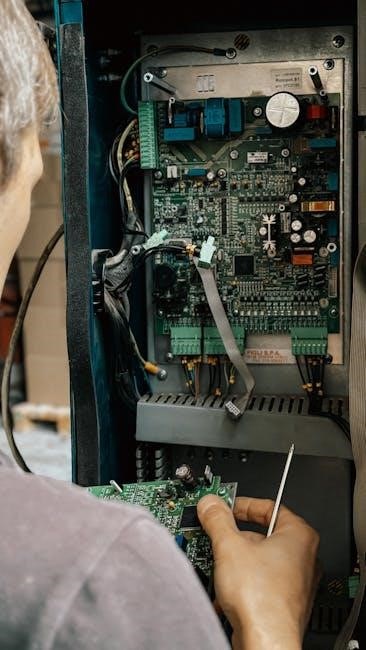
A wiring diagram overview is essential for understanding the furnace’s electrical layout. Refer to the furnace’s documentation to locate and interpret the diagram. Inspect the control board for burnt components or damaged capacitors. Carefully check the voltage readings at various points in the circuit, comparing them to the specified values.
Prioritize safety during electrical inspections; if unsure, consult a qualified technician.
Checking Fuses and Circuit Breakers
Before any troubleshooting, ensure the Amana furnace is powered off at the breaker. Locate the furnace’s dedicated circuit breaker in your electrical panel and verify it hasn’t tripped. If tripped, reset it once; if it trips again immediately, a short circuit likely exists, requiring professional attention.
Next, inspect the internal fuses within the furnace itself. These are typically located near the control board. Visually examine each fuse for a broken filament. A blown fuse indicates an overload or fault in the associated circuit. Replace any blown fuses with the exact same amperage rating – using a higher rating can cause severe damage.
Always address the underlying cause of a blown fuse or tripped breaker, not just replace the protective device.
Wiring Diagram Overview
Understanding the Amana furnace wiring diagram is crucial for effective troubleshooting. These diagrams, typically found inside the unit’s access panels, illustrate the connections between all electrical components – the control board, gas valve, igniter, blower motor, and safety switches.
Diagrams use standardized symbols to represent each component and wire. Familiarize yourself with these symbols before attempting any electrical work. Pay close attention to wire colors; they often indicate specific functions (e.g., black for hot, white for neutral, green for ground).
Tracing circuits on the diagram helps pinpoint the source of electrical faults. Always disconnect power before inspecting or modifying wiring. If unsure, consult a qualified HVAC technician; improper wiring can create safety hazards and damage the furnace.
Troubleshooting No Heat Issues
When your Amana furnace fails to produce heat, a systematic approach is essential. Begin by verifying the thermostat settings and ensuring it’s calling for heat. Check the circuit breaker or fuse box for tripped breakers or blown fuses related to the furnace.
Next, inspect the gas supply – is the gas valve open? Examine the igniter; a glowing igniter indicates it’s receiving power, but a consistently failing igniter requires replacement. Error codes (refer to the error code section) provide valuable clues.
A faulty flame sensor can also prevent heat. If these steps don’t resolve the issue, a professional HVAC technician should diagnose and repair more complex problems, such as a malfunctioning gas valve or control board.
Troubleshooting Insufficient Heat Issues
If your Amana furnace is running but not providing adequate warmth, several factors could be at play. Start with a clean air filter; a clogged filter restricts airflow, reducing heating efficiency. Inspect the blower motor to ensure it’s operating at the correct speed – a weak blower can’t distribute heat effectively.
Check for ductwork leaks, as lost heated air diminishes overall performance. A partially blocked vent can also limit heat output. Consider the possibility of a failing capacitor affecting the blower motor’s functionality.
If the issue persists, a professional may need to evaluate the burner assembly or gas pressure. Insufficient gas pressure or a dirty burner can lead to incomplete combustion and reduced heat.
Addressing Unusual Noises
Unusual sounds emanating from your Amana furnace often indicate underlying issues requiring attention. Banging or rattling noises could signal loose ductwork or a failing blower assembly. Squealing sounds frequently point to a worn blower motor bearing, necessitating lubrication or replacement.
Hissing sounds might indicate a gas leak – immediately shut off the gas supply and contact a qualified technician. Clicking noises, especially during ignition, could suggest a faulty igniter or gas valve. Humming sounds without heat production may indicate a capacitor problem.
Ignoring these noises can lead to more significant damage. A professional diagnosis is crucial to pinpoint the source and implement appropriate repairs, ensuring safe and efficient furnace operation.
Professional Service Recommendations
While this manual provides valuable troubleshooting steps, certain issues necessitate professional intervention. Any suspected gas leaks demand immediate attention from a qualified HVAC technician; do not attempt self-repair. Electrical component failures, such as those involving the control board or wiring, require expert diagnosis and repair to prevent hazards.
Complex problems like a consistently failing igniter or gas valve should be addressed by a professional. Annual maintenance performed by a certified technician ensures optimal furnace performance, identifies potential issues early, and extends the system’s lifespan.
Regular professional inspections also guarantee compliance with safety standards and warranty requirements. Don’t hesitate to seek expert help when facing challenges beyond your comfort level.
Locating Amana Furnace Manuals Online
Accessing your Amana furnace’s specific manual is crucial for detailed troubleshooting and maintenance information. The official Amana website (amana.com) is the primary source, offering a comprehensive library of downloadable manuals. Navigate to the “Support” or “Owners” section and utilize the model number search function to locate your furnace’s documentation.
Alternatively, many third-party websites archive appliance manuals, but verify the source’s reliability. Retain a digital copy of your manual for convenient access and future reference; Ensure the manual corresponds precisely to your furnace’s model number to avoid inaccurate information.
Having the correct manual empowers you to perform basic maintenance and understand error codes effectively. Always prioritize safety and consult a professional when needed.
Amana Warranty Information
Understanding your Amana furnace’s warranty is vital for covering potential repair costs. Amana offers varying warranty periods depending on the model and registered components, typically ranging from 10 years to lifetime coverage on certain parts like the heat exchanger. Registration is often required within a specified timeframe to activate the full warranty benefits.
The warranty generally covers defects in materials and workmanship, but excludes issues arising from improper installation, maintenance, or misuse. Keep your proof of purchase and warranty registration confirmation readily available. Review the complete warranty documentation on the Amana website (amana.com) for specific terms and conditions.
Contact Amana customer support for warranty claims and authorized service locations.