
Understanding Schedule 1 Truck Inspections in Ontario
Schedule 1 inspections are crucial for commercial vehicle safety in Ontario, ensuring compliance with regulations and maintaining roadworthiness. Accessing the official Ontario Ministry of Transportation Schedule 1 PDF is vital for understanding detailed requirements.
What is Schedule 1?
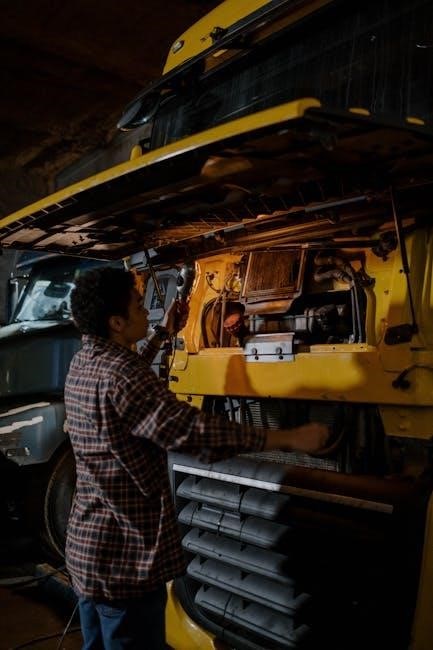
Schedule 1, as defined by the Ontario Ministry of Transportation (MTO), outlines the mandatory standards for commercial motor vehicle safety inspections. It’s a comprehensive set of criteria meticulously detailed within the official Schedule 1 PDF document. This isn’t merely a checklist; it’s a legally binding regulation.
Essentially, Schedule 1 dictates what a qualified inspector must examine on a commercial vehicle to ensure it meets minimum safety standards for operation on Ontario’s roadways. The PDF provides specifics on everything from brake systems and steering to lights, tires, and structural integrity. Understanding this document is paramount for both vehicle owners and operators, as compliance directly impacts road safety and legal operation.
The Legal Basis for Schedule 1 Inspections
Schedule 1 inspections are mandated under the Highway Traffic Act (HTA) of Ontario, specifically regulations pertaining to commercial motor vehicles. The Ontario Ministry of Transportation (MTO) Schedule 1 PDF serves as the official guide detailing these legal requirements.
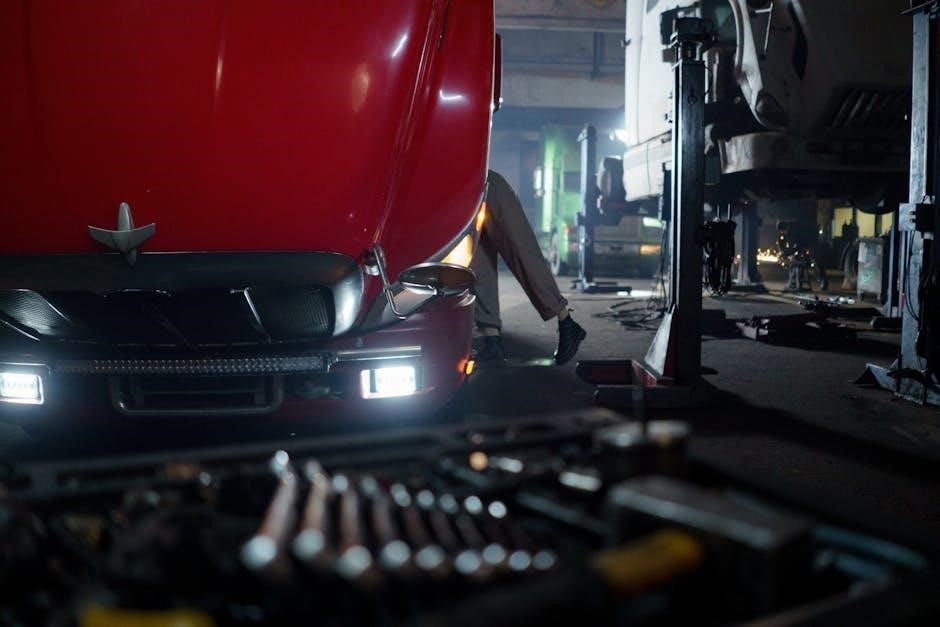
Compliance isn’t optional; it’s the law. Failure to adhere to Schedule 1 standards can result in hefty fines, vehicle immobilization, and even legal repercussions for operators. The PDF document outlines the specific sections of the HTA that govern these inspections, providing a clear legal framework. Regularly referencing the Schedule 1 PDF ensures operators remain informed and compliant with evolving legislation.
Who Needs a Schedule 1 Inspection?
Generally, any commercial motor vehicle operating in Ontario with a gross weight or registered gross weight exceeding 4,500 kg requires a Schedule 1 inspection. This includes most large trucks, buses, and combinations. The Ontario Ministry of Transportation Schedule 1 PDF clearly defines vehicle categories needing inspection.

Vehicles used for hire, transporting dangerous goods, or operating across provincial borders also fall under this requirement. The PDF provides detailed exemptions, but operators should always verify their specific obligations. Understanding these rules, as outlined in the Schedule 1 PDF, is crucial for avoiding penalties and ensuring safe operation.
Inspection Components: A Detailed Breakdown
Schedule 1 inspections cover critical areas like brakes, steering, tires, lights, and vehicle structure; the Ontario Ministry of Transportation Schedule 1 PDF details each component.
Brakes and Brake Systems
Brake system integrity is paramount during a Schedule 1 inspection in Ontario. Inspectors meticulously examine brake linings, drums or rotors, hoses, and connections for wear, leaks, and proper function. The Ontario Ministry of Transportation Schedule 1 PDF provides specific criteria for acceptable brake performance, including stopping distance requirements and service brake efficiency levels.
Air brake systems receive particularly close scrutiny, with checks on compressor functionality, air reservoir pressure, and the operation of spring brakes. Adequate brake adjustment is essential, and inspectors verify that slack adjusters are within specified limits. Any deficiencies related to the braking system will result in a failed inspection and require immediate repair to ensure safe operation on Ontario roadways. Detailed diagrams within the PDF aid in identifying components.
Steering and Suspension
Steering and suspension components undergo rigorous assessment during a Schedule 1 inspection, vital for vehicle control and stability. Inspectors check for excessive play in steering linkages, worn ball joints, and damaged shock absorbers. The Ontario Ministry of Transportation Schedule 1 PDF outlines acceptable tolerances for steering free play and suspension component condition.
Springs are inspected for cracks or breaks, and U-bolts are verified for tightness. Proper alignment is also considered, as misalignment can contribute to tire wear and handling issues. Inspectors will assess the functionality of power steering systems, checking for leaks and smooth operation. Any deficiencies impacting steering or suspension performance will lead to a failed inspection, necessitating repairs before the vehicle can legally operate on Ontario’s roads. The PDF provides visual aids for component identification.
Tires and Wheels
Tire and wheel inspections are a critical part of Schedule 1, focusing on safety and compliance. Inspectors verify tire tread depth meets legal minimums, checking for cuts, bulges, and uneven wear patterns. The Ontario Ministry of Transportation Schedule 1 PDF details specific tread depth requirements based on tire position.
Wheel condition is also assessed, looking for cracks, dents, or signs of previous repairs. Lug nuts must be present and tightened to the manufacturer’s specifications. Tire pressure is checked to ensure it aligns with load ratings. Mismatched tires on the same axle are a common cause of failure. Proper tire and wheel maintenance significantly impacts vehicle stability and braking performance, as outlined within the inspection document.
Lights and Reflectors
Lights and reflectors are essential for visibility and safety, undergoing thorough inspection during Schedule 1. The Ontario Ministry of Transportation Schedule 1 PDF specifies requirements for headlights, taillights, brake lights, turn signals, and marker lights – ensuring they function correctly and are properly aligned.
Inspectors verify lens clarity, color, and secure mounting. Reflectors, both on the sides and rear of the vehicle, are checked for damage and proper placement. Defective lighting significantly increases the risk of accidents, especially during low-light conditions. Compliance with lighting regulations, detailed in the PDF, is non-negotiable for passing the inspection. Proper illumination is paramount for safe operation.
Coupling Devices
Coupling devices, including fifth wheels and trailer hitches, are critically examined during Schedule 1 inspections to guarantee secure connections between tractors and trailers. The Ontario Ministry of Transportation Schedule 1 PDF outlines precise standards for these components, focusing on structural integrity and operational functionality.
Inspectors meticulously check for cracks, wear, and proper lubrication. Locking mechanisms must engage fully and securely, preventing accidental disconnections. Kingpins and drawbars are assessed for damage and compliance with dimensional requirements. A faulty coupling device poses a severe safety hazard, potentially leading to trailer separation. Adherence to the PDF’s specifications is vital for safe towing operations.
Electrical System
Electrical systems undergo thorough scrutiny during Schedule 1 inspections, as malfunctions can compromise safety features like lighting and braking systems. The Ontario Ministry of Transportation Schedule 1 PDF details specific requirements for wiring, connections, and component functionality.
Inspectors verify proper operation of all lights – headlights, taillights, brake lights, turn signals, and marker lights. Wiring must be intact, free from fraying, and securely fastened. Battery connections are checked for corrosion and tightness. Functionality of the anti-lock braking system (ABS) indicator is also verified. Any electrical defect identified in the PDF can result in an immediate inspection failure, necessitating prompt repairs.
Vehicle Structure
Vehicle structure integrity is a critical component of Schedule 1 inspections, ensuring the truck’s frame and body can withstand operational stresses. The Ontario Ministry of Transportation Schedule 1 PDF outlines acceptable conditions and identifies unacceptable defects related to structural components.
Inspectors meticulously examine the frame for cracks, bends, or corrosion that could compromise its strength. Body panels are assessed for significant damage affecting safety. Attention is given to the condition of floorboards, supports, and any load-bearing structures. Welding repairs must meet specific standards detailed within the PDF. Any structural deficiency posing a safety risk will lead to an immediate inspection failure and require professional repair.
The Inspection Process: Step-by-Step
Schedule 1 inspections follow a defined process, detailed in the Ontario Ministry of Transportation Schedule 1 PDF, ensuring consistent and thorough vehicle assessments for safety.
Preparing for the Inspection
Thorough preparation is key to a successful Schedule 1 inspection. Beforehand, review the Ontario Ministry of Transportation Schedule 1 PDF to familiarize yourself with all inspection criteria. Ensure all required documentation, such as registration and insurance, is readily available. Conduct a pre-inspection yourself, addressing any obvious deficiencies like burnt-out lights or tire issues.
Verify the proper functioning of all safety systems – brakes, steering, and lights. Clean the vehicle, as a clean vehicle allows for a more detailed inspection. Addressing minor issues proactively can prevent failures and costly downtime. Remember, a well-maintained vehicle demonstrates a commitment to safety and compliance, streamlining the official inspection process;
The Inspector’s Role and Authority
Certified Schedule 1 inspectors, often mechanics at authorized inspection stations, play a vital role in Ontario’s commercial vehicle safety. Their authority stems from the Ontario Ministry of Transportation, granting them the power to assess vehicle compliance with Schedule 1 standards, detailed within the official PDF document.
Inspectors meticulously examine components, documenting any defects. They can issue pass/fail determinations, applying “red” or “yellow” tags based on severity. Inspectors must adhere to standardized procedures, ensuring fair and consistent evaluations. Their decisions are legally binding, impacting a vehicle’s operational status. Understanding their role is crucial for operators preparing for inspection.
Documentation Required During Inspection
During a Schedule 1 inspection in Ontario, operators must present specific documentation to the inspector. This typically includes the vehicle’s registration, proof of insurance, and any previous inspection reports. Referencing the Ontario Ministry of Transportation Schedule 1 PDF clarifies exact requirements, as updates occur.
Detailed records of maintenance and repairs are also beneficial, demonstrating proactive vehicle upkeep. The inspector will record findings on an official inspection certificate, detailing any defects. Accurate documentation streamlines the process and helps ensure a thorough assessment, aligning with provincial safety standards.
Inspection Results and Corrective Actions
Inspection outcomes dictate next steps; a passing result allows continued operation, while failures require immediate repairs, guided by the Schedule 1 PDF.
Passing the Inspection
A successful Schedule 1 inspection, as detailed within the Ontario Ministry of Transportation’s Schedule 1 PDF, signifies that your commercial vehicle meets all mandated safety standards. This positive outcome is confirmed with official documentation, typically a certificate or sticker affixed to the vehicle. It permits continued legal operation on Ontario roadways without immediate restrictions.
However, passing doesn’t equate to indefinite validity. The Schedule 1 PDF outlines the inspection interval – typically every 36 months – after which re-inspection is mandatory. Maintaining diligent preventative maintenance between inspections is crucial to sustain compliance and avoid future failures. Thoroughly review the PDF to understand all stipulations and ensure ongoing roadworthiness.
Failed Inspection: What Happens Next?
A failed Schedule 1 inspection, as outlined in the Ontario Ministry of Transportation’s Schedule 1 PDF, means your vehicle doesn’t currently meet safety standards. Operation on public roads is prohibited until all identified defects are rectified. The inspector will issue a list detailing these deficiencies, categorized by severity.
You’ll receive either a “Red Tag” or “Yellow Tag,” detailed within the PDF, indicating the extent of the issues. Repairs must be performed by a qualified mechanic. Following repairs, a re-inspection is required to verify correction. The Schedule 1 PDF doesn’t specify a timeframe, but prompt action is vital to minimize operational downtime and ensure legal compliance.
“Red Tag” vs. “Yellow Tag” Inspections
The Ontario Ministry of Transportation’s Schedule 1 PDF clearly defines “Red Tag” and “Yellow Tag” inspections. A “Red Tag” signifies immediate danger – critical defects rendering the vehicle unsafe for operation. It’s removed from service instantly, requiring repairs and re-inspection before any road use.
A “Yellow Tag” indicates less severe, but still important, defects. The vehicle can be driven, but only for the purpose of reaching a repair facility. The Schedule 1 PDF emphasizes that operating a “Yellow Tagged” vehicle beyond this limited scope is illegal. Both tag types are documented, and the PDF details the specific defects leading to each classification.

Schedule 1 Inspection PDF Resources
Official Ontario Ministry of Transportation Schedule 1 PDF documents are essential for understanding inspection criteria. Numerous third-party checklists, also in PDF format, aid preparation.
Official Ontario Ministry of Transportation Schedule 1 PDF
The official Schedule 1 PDF, published by the Ontario Ministry of Transportation (MTO), serves as the definitive guide for commercial vehicle inspections. This comprehensive document details every aspect of the inspection process, outlining specific standards for brakes, steering, tires, lights, and overall vehicle condition.
It’s a crucial resource for both inspectors and vehicle owners/operators, ensuring a consistent and legally compliant assessment. Downloading the latest version directly from the MTO website is highly recommended to guarantee accuracy, as regulations can be updated. The PDF format allows for easy access, printing, and digital annotation for convenient reference during inspections and preventative maintenance. Understanding this document is paramount for safe and legal trucking operations within Ontario.
Third-Party Schedule 1 Inspection Checklists (PDF)
Numerous third-party providers offer Schedule 1 inspection checklists in PDF format, designed to simplify the inspection process. While convenient, these checklists should supplement, not replace, the official MTO document. They often present the inspection points in a more user-friendly format, potentially aiding mechanics and drivers.
However, it’s vital to verify that any third-party checklist aligns precisely with the current MTO Schedule 1 standards. Discrepancies could lead to failed inspections or, worse, unsafe operating conditions. Always cross-reference with the official PDF to ensure complete compliance. These resources can be valuable tools, but responsible usage requires diligent verification of their accuracy and completeness.
Understanding the PDF Format and Navigation
The official Ontario MTO Schedule 1 PDF is typically a multi-page document detailing inspection criteria. Most PDF readers allow for easy navigation using the table of contents or page thumbnails; Utilizing the search function (Ctrl+F or Cmd+F) is crucial for quickly locating specific inspection items, like “brakes” or “lights”.
Familiarize yourself with the document’s structure; sections are generally organized by vehicle component. Pay attention to any embedded links or interactive elements. Regularly check for updated versions on the MTO website, as regulations can change. Proper PDF navigation skills are essential for efficient and accurate Schedule 1 inspections.

Common Inspection Failures and Prevention
Schedule 1 inspection PDFs highlight frequent failures like brake issues, lighting defects, and tire problems. Proactive maintenance, guided by the PDF, minimizes these risks.
Top 5 Most Frequent Reasons for Failure
Schedule 1 inspection PDFs consistently reveal the top five failure points for commercial vehicles in Ontario. Firstly, brake system deficiencies – including worn pads, leaking lines, and malfunctioning adjustments – are a primary concern. Secondly, lighting violations, encompassing broken headlights, taillights, and reflectors, frequently lead to failures.
Thirdly, tire conditions, such as insufficient tread depth, sidewall damage, or improper inflation, are commonly cited. Fourthly, steering and suspension component issues, like worn ball joints or damaged shocks, pose significant safety risks. Finally, coupling device defects – concerning fifth wheels and trailer connections – often result in immediate failures. Thoroughly reviewing the Schedule 1 PDF helps operators proactively address these areas, improving pass rates and ensuring road safety.
Preventative Maintenance to Avoid Failures
Utilizing the Schedule 1 inspection PDF as a guide, a robust preventative maintenance program is essential. Regular brake inspections and adjustments, alongside fluid checks and line replacements, minimize system failures. Consistent lighting checks and bulb replacements ensure full functionality. Proactive tire monitoring – including pressure checks, tread depth measurements, and rotation – extends tire life and safety.
Furthermore, scheduled steering and suspension component inspections, addressing wear and tear promptly, are crucial. Finally, meticulous coupling device lubrication and inspection prevents connection failures. Adhering to manufacturer’s recommendations and referencing the Schedule 1 PDF’s detailed requirements significantly reduces the risk of failing inspections and enhances overall vehicle reliability.

Finding Qualified Schedule 1 Inspectors
Certified mechanic shops and authorized inspection stations, familiar with the Schedule 1 inspection PDF, are equipped to perform thorough and compliant vehicle assessments.
Certified Mechanic Shops
Certified mechanic shops throughout Ontario frequently offer Schedule 1 inspection services, employing technicians well-versed in the detailed requirements outlined within the official Ontario Ministry of Transportation Schedule 1 PDF document. These shops typically possess the necessary equipment and expertise to accurately assess all critical components of commercial vehicles.
When selecting a mechanic shop, verifying their certification and experience with Schedule 1 inspections is paramount. A reputable shop will readily provide access to, or demonstrate familiarity with, the Schedule 1 inspection PDF, ensuring a comprehensive and legally compliant assessment. They understand the specific standards for brakes, steering, tires, lights, and other vital systems, minimizing the risk of failed inspections and costly repairs. Prioritize shops that prioritize safety and adherence to provincial regulations.
Authorized Inspection Stations
Authorized Inspection Stations are specifically designated facilities approved by the Ontario Ministry of Transportation to conduct Schedule 1 truck inspections. These stations are listed on the MTO website and are staffed by qualified inspectors thoroughly familiar with the standards detailed in the Schedule 1 inspection PDF.
Utilizing an authorized station guarantees a standardized and legally recognized inspection process. Inspectors at these locations are trained to meticulously follow the guidelines outlined in the official PDF, covering all essential safety components. They issue official inspection certificates, indicating whether the vehicle has passed or failed. Choosing an authorized station provides peace of mind, ensuring compliance with Ontario’s commercial vehicle regulations and promoting road safety for all.
Costs Associated with Schedule 1 Inspections
Schedule 1 inspection fees vary, but budget for the inspection itself, plus potential repair costs if failures are noted in the inspection PDF.
Average Inspection Fees
Determining the average cost for a Schedule 1 inspection in Ontario requires considering several factors. Prices can fluctuate based on the inspection station, the vehicle’s size and complexity, and the region within the province. Generally, you can anticipate costs ranging from approximately $150 to $400.
It’s advisable to contact several certified mechanic shops or authorized inspection stations to obtain quotes beforehand. Remember that the official Ontario Ministry of Transportation Schedule 1 PDF doesn’t specify fixed fees; it outlines the inspection criteria. The inspection fee primarily covers the labour associated with a thorough examination of the vehicle’s critical components, as detailed within the PDF document. Always clarify what the fee includes to avoid unexpected charges.
Potential Repair Costs Following a Failed Inspection
Repair expenses after a failed Schedule 1 inspection can vary significantly, depending on the nature and extent of the deficiencies identified. Minor issues, like a burnt-out bulb, might incur a cost of $20-$50. However, more substantial problems – such as brake repairs, steering component replacements, or structural damage – can easily escalate to several hundred or even thousands of dollars.
The official Ontario Ministry of Transportation Schedule 1 PDF details all potential failure points. It’s crucial to obtain a detailed report from the inspector outlining all required repairs. Obtaining multiple quotes from certified mechanics is recommended. Prioritizing preventative maintenance, as outlined in the PDF, can minimize the risk of costly repairs and ensure continued compliance.

Recent Changes and Updates to Schedule 1 (as of 12/10/2025)
As of today’s date, review the latest Ontario Ministry of Transportation Schedule 1 PDF for any amendments or new regulations impacting truck owners and operators.
New Regulations or Amendments
Recent updates to Schedule 1, detailed within the official Ontario Ministry of Transportation Schedule 1 PDF, focus on enhanced safety protocols for commercial vehicles. These changes, effective as of today, necessitate a thorough review by all truck owners and operators. Key amendments include stricter guidelines regarding electronic logging devices (ELDs) and their integration with inspection reports;

Furthermore, the updated PDF clarifies requirements for brake system performance, specifically addressing anti-lock braking systems (ABS) and their mandatory functionality. There’s also increased scrutiny on tire tread depth and overall tire condition, aiming to reduce incidents related to tire failure. Operators should download and carefully examine the latest Schedule 1 PDF to ensure full compliance and avoid potential penalties.
Impact of Updates on Truck Owners/Operators
The revised Schedule 1 regulations, comprehensively outlined in the Ontario Ministry of Transportation Schedule 1 PDF, directly impact truck owners and operators. Increased compliance demands necessitate investment in updated equipment, such as ELD systems meeting new specifications. Operators must allocate time for retraining staff on the amended inspection procedures and documentation requirements.
Failure to adhere to these changes could result in costly fines, vehicle grounding, and potential disruptions to business operations. Proactive review of the PDF and implementation of preventative maintenance programs are crucial. Owners should also factor in potential repair costs associated with stricter brake and tire standards, ensuring vehicles consistently pass inspections.