
The Boy at the Back of the Class: A Comprehensive Overview (as of 12/10/2025)
Finding a legal PDF version of “The Boy at the Back of the Class” can be tricky, with options ranging from official publisher sites to library access․
“The Boy at the Back of the Class,” penned by Onjali Q․ Raúf, is a heartwarming middle-grade novel published in 2019․ It tackles the complex issue of the Syrian refugee crisis through the innocent lens of a group of schoolchildren․ The story centers around Ahmet, a newly arrived Syrian refugee, and his integration into a London primary school․
The narrative unfolds as Ahmet’s classmates attempt to understand his silence and offer friendship․ The book’s accessibility and emotional depth have garnered significant acclaim, winning both the UK Waterstones Children’s Book Prize and the Blue Peter Book Award․
Core Themes Explored
Central to the novel are themes of empathy, friendship, and the importance of understanding different cultures․ Raúf skillfully explores the challenges faced by refugees, highlighting the trauma and displacement they experience․ Kindness and acceptance are presented as powerful tools to bridge divides and foster inclusivity․
The story also delves into the power of collective action, demonstrating how even small gestures can make a significant difference in someone’s life․ Ultimately, the novel champions compassion and challenges readers to confront prejudice․
The Syrian Refugee Crisis as Context
The novel is deeply rooted in the realities of the Syrian refugee crisis, a complex humanitarian issue stemming from prolonged conflict and political instability․ Raúf presents this crisis through the eyes of a child, Ahmet, making it accessible and emotionally resonant for young readers․
The story subtly educates about the reasons people flee their homes, emphasizing the loss and hardship endured․ It avoids overly graphic details, focusing instead on the universal need for safety, belonging, and friendship․
Character Analysis: Ahmet
Ahmet embodies the quiet resilience of displaced children․ Initially, he’s presented as withdrawn and fearful, communicating primarily through glances and a poignant silence․ His sadness and initial isolation are palpable, drawing immediate empathy from the protagonist and readers alike․
The pomegranate becomes symbolic of his homeland and a bridge to connection․ As he slowly gains trust, Ahmet’s personality blossoms, revealing a longing for “home” and a gentle spirit․

Ahmet’s Initial Isolation
Ahmet’s arrival at Nelson Primary is marked by profound loneliness․ He sits at the back of the class, head down, radiating sadness and fear․ His inability to speak English exacerbates his isolation, creating a barrier between him and his classmates․
Children observe him with curiosity and apprehension, hesitant to approach․ This initial distance highlights the challenges faced by refugee children integrating into new environments․
The Significance of Silence
Ahmet’s initial silence isn’t simply a lack of language; it’s a shield․ It represents trauma, displacement, and the fear of vulnerability․ The children’s attempts to break through this silence—through winks and gifts—become crucial acts of empathy․
His eventual utterance of “home”, after receiving a pomegranate, signifies a breakthrough, a fragile step towards connection and healing, demonstrating the power of non-verbal communication․
Character Analysis: The Protagonist & Friends
The unnamed protagonist and their friends embody youthful curiosity and compassion․ Initially mirroring the class’s hesitant observation of Ahmet, they evolve into proactive agents of welcome․ Their collective decision to reach out, bypassing language barriers with kindness, highlights their innate goodness․
This trio’s unwavering loyalty and inventive attempts to connect demonstrate the transformative power of friendship, offering Ahmet a safe space to begin healing․
Plot Summary: Key Events
The narrative centers on Ahmet’s arrival at Nelson Primary School, a Syrian refugee facing isolation and fear․ Key events unfold as the protagonist and friends initiate contact, offering small gifts and welcoming gestures․ The introduction of the pomegranate becomes symbolic, bridging cultural gaps and fostering trust․
Ahmet’s eventual utterance of “home” marks a pivotal moment, signifying his growing comfort and acceptance within the classroom community․
The Role of Friendship in the Narrative
Friendship is the central driving force, demonstrating the power of empathy and acceptance in overcoming barriers․ The protagonists’ persistent kindness breaks down Ahmet’s initial silence and fear, fostering a sense of belonging․ Their collective efforts highlight how small acts can create significant positive change․
The narrative emphasizes that friendship transcends language and cultural differences, offering solace and hope․
Symbolism: The Pomegranate
The pomegranate serves as a potent symbol of Ahmet’s homeland, Syria, and represents hope, resilience, and the richness of his culture․ Initially a mysterious gift, it sparks curiosity and becomes a catalyst for connection․ Its exotic nature mirrors Ahmet’s own unfamiliarity and otherness․
Ultimately, the pomegranate embodies the blossoming friendship and the shared humanity between the children․
Awards and Recognition
“The Boy at the Back of the Class” has garnered significant acclaim, demonstrating its impact and literary merit․ Notably, it won the 2019 UK Waterstones Children’s Book Prize and the prestigious 2019 UK Blue Peter Book Award․ These accolades highlight the novel’s success in resonating with both critics and young readers alike․
The recognition underscores its powerful message and engaging narrative․
Critical Reception and Reviews
Critics have lauded “The Boy at the Back of the Class” for its sensitive and accessible portrayal of the Syrian refugee crisis through a child’s perspective․ Comparisons have been drawn to impactful works like Katherine Applegate’s “Wishtree” and Alan Gratz’s “Refugee,” acknowledging its similar thematic depth․
Reviewers consistently praise the novel’s heartwarming message of friendship and kindness․
Educational Applications & Classroom Use
“The Boy at the Back of the Class” is a valuable resource for educators seeking to address complex topics like empathy, cultural understanding, and the refugee experience․ Its accessible narrative makes it suitable for middle-grade classrooms, fostering discussions about inclusivity and kindness․
The book’s themes align with social-emotional learning objectives․
Author Information: Onjali Q․ Raúf
Onjali Q․ Raúf is a British author renowned for her impactful children’s literature, often tackling significant social issues with sensitivity and grace․ She founded the NGO, Making Herstory, which champions the education of girls and women․
Raúf’s work frequently draws inspiration from real-world events, as seen in “The Boy at the Back of the Class․”
Target Audience and Reading Level
“The Boy at the Back of the Class” is primarily aimed at middle-grade readers, generally aged 8 to 12 years old․ Its accessible language and compelling narrative make it suitable for children transitioning to more complex chapter books․
The book’s themes of empathy and friendship resonate strongly with this age group, fostering discussions about global issues․
Similar Books & Related Works
Readers who enjoyed “The Boy at the Back of the Class” might appreciate Katherine Applegate’s “Wishtree,” exploring themes of acceptance and community․ Alan Gratz’s “Refugee” offers a broader perspective on the refugee experience․
Other relevant titles include “Front Desk” by Kelly Yang and “The Breadwinner” by Deborah Ellis, all promoting empathy and understanding․
Availability of the PDF Version
Locating a legitimate PDF of “The Boy at the Back of the Class” requires caution․ Direct downloads from unofficial sources are often illegal and may contain malware․

Check with your local library for ebook lending options, or explore reputable online booksellers for authorized digital purchases․ Beware of sites offering free PDFs, prioritizing legal access instead․
Discussion Questions for Readers
Considering the narrative, how does Ahmet’s silence initially impact his integration? Discuss the children’s evolving understanding of his situation and the power of non-verbal communication․
Explore the symbolism of the pomegranate and its connection to Ahmet’s sense of ‘home’․ How does the story challenge preconceived notions about refugees and promote empathy?
Impact and Social Relevance
“The Boy at the Back of the Class” resonates deeply with contemporary issues, fostering crucial conversations about the Syrian refugee crisis and the importance of inclusivity․
The novel’s accessible narrative empowers young readers to confront complex themes with empathy and understanding, promoting kindness and challenging prejudice․ It highlights the transformative power of friendship․
Where to Download the PDF Legally
Obtaining a legal PDF of “The Boy at the Back of the Class” requires careful navigation; Check official publisher websites like Piccadilly Press or through authorized online retailers․
Many public libraries offer ebook and PDF lending services, providing free access with a library card․ Beware of unofficial sources, prioritizing legitimate platforms to support the author and publisher․
Locating a legitimate “Boy at the Back of the Class” PDF requires caution, favoring official sources and library access for legal downloads․
“The Boy at the Back of the Class,” published in 2019 by Onjali Q․ Raúf, swiftly gained recognition, winning both the UK Waterstones Children’s Book Prize and the Blue Peter Book Award․ This impactful middle-grade debut tackles the complex issue of the Syrian refugee crisis through a child’s relatable perspective․
The narrative centers around Ahmet, a newly arrived Syrian refugee, and his integration into a London primary school․ The story emphasizes the transformative power of friendship and kindness, offering a hopeful message amidst challenging circumstances․ Finding a PDF version requires careful consideration of legal sources․
Central to the novel are themes of empathy, acceptance, and the importance of understanding different cultures․ The story powerfully illustrates the human cost of the Syrian refugee crisis, prompting readers to consider the challenges faced by displaced individuals․
Friendship serves as a beacon of hope, demonstrating how small acts of kindness can make a significant difference․ Accessing a PDF copy allows for wider engagement with these crucial themes, fostering discussions about compassion and global citizenship․
The novel is deeply rooted in the realities of the Syrian refugee crisis, offering a child-friendly introduction to a complex global issue․ It highlights the displacement and trauma experienced by many, prompting empathy and understanding․
A PDF version of the book can serve as a valuable educational resource, facilitating discussions about the crisis and its impact․ It encourages readers to learn more and consider ways to help․
Ahmet embodies the silent struggles of refugee children, initially withdrawn and fearful due to language barriers and past trauma․ His journey towards opening up is central to the narrative․
Accessing a PDF copy of “The Boy at the Back of the Class” allows for focused study of Ahmet’s character development and the challenges he faces, fostering deeper comprehension․
Ahmet’s arrival at Nelson Primary is marked by profound isolation, sitting silently with his head down, a visible symbol of his fear and displacement․
A PDF version of the book powerfully illustrates this initial isolation through descriptive passages, enabling readers to analyze the impact of trauma and the importance of empathy․
Ahmet’s initial silence isn’t merely a lack of language; it represents trauma, fear, and a struggle to adapt to a completely new environment․
A downloadable PDF of “The Boy at the Back of the Class” allows close examination of how Raúf uses silence to convey Ahmet’s emotional state, prompting reflection on communication beyond words․
The protagonist and their friends demonstrate evolving empathy, moving from curiosity to genuine concern for Ahmet․
Accessing a “The Boy at the Back of the Class” PDF facilitates detailed analysis of their interactions, highlighting the power of youthful kindness and the journey towards understanding different perspectives․
The narrative centers on Ahmet’s arrival and initial silence, followed by the children’s determined efforts to connect with him․
A “The Boy at the Back of the Class” PDF allows for close tracking of these pivotal moments – the winks, the pomegranate, and ultimately, Ahmet’s first spoken word: “home․”
Friendship is the central force driving the plot, demonstrated through the children’s unwavering kindness towards Ahmet․
A “The Boy at the Back of the Class” PDF highlights how their small acts of inclusion – gifts and welcoming gestures – break down barriers and foster a sense of belonging, ultimately revealing Ahmet’s story․
The pomegranate serves as a potent symbol of home and connection, gifted by Ahmet and sparking curiosity amongst his classmates․

A “The Boy at the Back of the Class” PDF reveals how this exotic fruit represents Ahmet’s lost homeland, Syria, and becomes a catalyst for building bridges of understanding and empathy within the classroom․
“The Boy at the Back of the Class” has garnered significant acclaim, demonstrating its impact and literary merit․
A readily available “The Boy at the Back of the Class” PDF often highlights its prestigious wins, including the 2019 UK Waterstones Childrens Book Prize and the 2019 UK Blue Peter Book Award, solidifying its place as a celebrated children’s novel․
Reviews of “The Boy at the Back of the Class” consistently praise its sensitive handling of a complex issue, the Syrian refugee crisis, and its heartwarming portrayal of friendship․
Many PDF versions circulating online include excerpts from positive reviews, noting its accessibility for middle-grade readers and comparisons to impactful titles like “Wishtree” and “Refugee,” further boosting its critical standing․
The novel’s PDF format facilitates easy classroom integration, enabling teachers to share the story widely and discuss themes of empathy, cultural understanding, and the refugee experience․
Discussion guides accompanying some PDF versions encourage critical thinking and promote conversations about kindness, acceptance, and global citizenship, making it a valuable resource for educators․
Onjali Q․ Raúf is a British author known for her impactful children’s literature, often addressing social issues with sensitivity and hope․ Her work, including “The Boy at the Back of the Class,” frequently appears in PDF format for educational purposes․
Raúf’s background in law and human rights informs her storytelling, creating narratives that are both engaging and thought-provoking for young readers․
“The Boy at the Back of the Class” is primarily aimed at middle-grade readers, generally aged 8-12, though its themes resonate with a broader audience․ The reading level is accessible, making the PDF version suitable for independent reading and classroom discussions․
Its approachable language and relatable characters ensure engagement for young readers exploring themes of empathy and acceptance․
Readers who appreciate “The Boy at the Back of the Class” PDF may enjoy other titles addressing similar themes․ Wishtree by Katherine Applegate and Refugee by Alan Gratz offer compelling narratives about displacement and finding belonging․
Exploring these works alongside Onjali Q․ Raúf’s novel enriches understanding of global issues and fosters empathy․
Locating a legitimate PDF of “The Boy at the Back of the Class” requires caution․ While some websites offer downloads, verifying legality is crucial․ Official publisher sources and digital library platforms are preferred․
Unverified downloads may infringe copyright; supporting authors through legal channels ensures continued storytelling․
Considering the narrative, how does Ahmet’s silence initially impact his integration? Explore the children’s evolving understanding of his background and the power of non-verbal communication․
Discuss the symbolism of the pomegranate and its connection to Ahmet’s sense of ‘home․’ How does friendship bridge cultural divides, fostering empathy and acceptance?
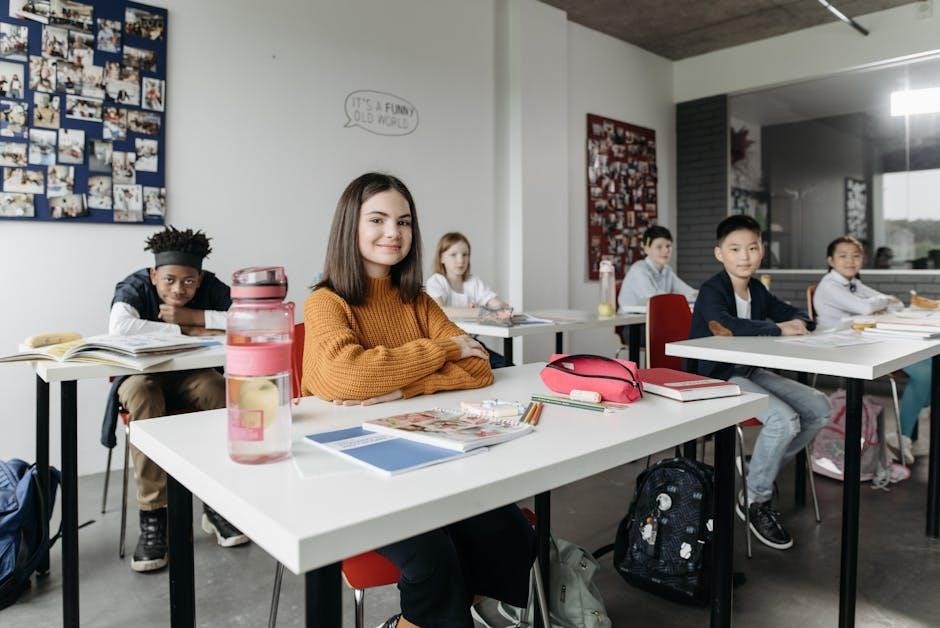
“The Boy at the Back of the Class” powerfully addresses the Syrian refugee crisis through a child’s lens, promoting empathy and understanding․ It sparks crucial conversations about displacement, kindness, and inclusivity․
The novel’s success, evidenced by awards like the Waterstones and Blue Peter prizes, demonstrates its resonance with young readers and educators, fostering social awareness․
Obtaining a legal PDF of “The Boy at the Back of the Class” requires careful navigation; Check official publisher websites like Piccadilly Press or through authorized online retailers․
Digital library services, such as OverDrive or Libby, often offer ebook versions for borrowing․ Avoid unofficial sources to support the author and respect copyright laws․