
Ram Trucks & Towing Guide: A Comprehensive Overview (Updated 04/23/2026)
Ram trucks offer diverse towing solutions, ranging from the Ram 1500’s 12,750 lbs capacity to the Ram 3500’s over 23,000 lbs fifth-wheel towing, ensuring capability.
Understanding Ram Truck Towing Capacities: The Manufacturer’s Perspective
Ram, like other manufacturers, approaches published towing data with caution due to potential liability. Numerous factors influence actual towing capacity, and selective disregard for these can lead to accidents and subsequent lawsuits. Common modifications – leveling kits, larger tires, or suspension lifts, particularly prevalent in Ram 1500 communities – significantly impact a truck’s ability to safely tow.
Manufacturers hesitate to provide definitive towing recommendations for modified vehicles, recognizing the legal risks involved in today’s litigious environment. They meticulously calculate towing capacities based on SAE J2807 standards, accounting for passenger weight, options, and trailering equipment. However, these calculations assume factory-spec configurations.
Therefore, Ram focuses on providing a baseline capacity for stock vehicles, emphasizing the importance of understanding individual truck configurations and adhering to safe towing practices. Dealers, like Kings CDJR, play a crucial role in guiding customers through these details.
Factors Affecting Ram Truck Towing Capacity
Several key elements dramatically influence a Ram truck’s maximum towing capability. Tire specifications are paramount; exceeding the tire’s load range compromises safety and reduces capacity. Suspension modifications, such as lifts or leveling kits, alter the vehicle’s weight distribution and geometry, often decreasing towing capacity despite appearances. Engine choice is critical, with the 5.7L HEMI V8 eTorque offering substantial advantages.
Furthermore, the truck’s configuration – 4×2 versus 4×4 – impacts towing limits. Added options and accessories contribute to the overall vehicle weight, reducing the available payload for towing. Trailer weight distribution, hitch type (conventional, fifth-wheel, gooseneck), and even ambient temperature can play a role.

Ignoring these factors and exceeding the truck’s rated capacity can lead to instability, brake failure, and potentially catastrophic accidents. Always consult your owner’s manual and consider professional guidance.
Ram 1500 Towing Capabilities
The Ram 1500 delivers impressive towing performance for a half-ton truck, making it a popular choice for many owners. When properly equipped with the available 5.7L HEMI V8 engine and eTorque Mild Hybrid System, it can achieve a maximum towing capacity of up to 12,750 pounds. This capability makes it suitable for hauling campers, boats, and other recreational equipment.
However, achieving this maximum requires careful consideration of configuration and options. Factors like axle ratio, cab configuration, and bed length all influence the final towing capacity. Utilizing features like the Trailer Sway Damping System and available Active-Level Four-Corner Air Suspension significantly enhance stability and control while towing.
Remember that modifications, especially suspension alterations or larger tires, can negatively impact these figures.
2026 Ram 1500: Maximum Towing with the 5.7L HEMI V8 eTorque
The 2026 Ram 1500, when configured optimally, unlocks its peak towing potential with the robust 5.7L HEMI V8 engine paired with the eTorque Mild Hybrid System. This combination allows for a maximum towing capacity of up to 12,750 pounds, providing substantial capability for a wide range of hauling needs.
To reach this figure, specific configurations are necessary, including the proper axle ratio and drivetrain. The eTorque system enhances fuel efficiency and provides additional low-end torque, aiding in towing performance.
Kings CDJR highlights this engine’s ability to blend power, comfort, and innovation. It’s crucial to consult the vehicle’s official towing guide and adhere to weight distribution guidelines for safe and effective towing.
Ram 2500: Heavy-Duty Towing Performance
The Ram 2500 steps up to meet more demanding towing challenges, offering significantly increased capacity compared to the 1500 series. This heavy-duty truck is engineered for those who regularly haul substantial loads, providing a robust and reliable towing experience. It’s a great choice for heavier-duty work, exceeding the capabilities of the Ram 1500.
While specific figures vary based on configuration, the Ram 2500 boasts a substantially higher maximum towing capacity. Features like enhanced suspension systems and powerful engine options contribute to its impressive performance.
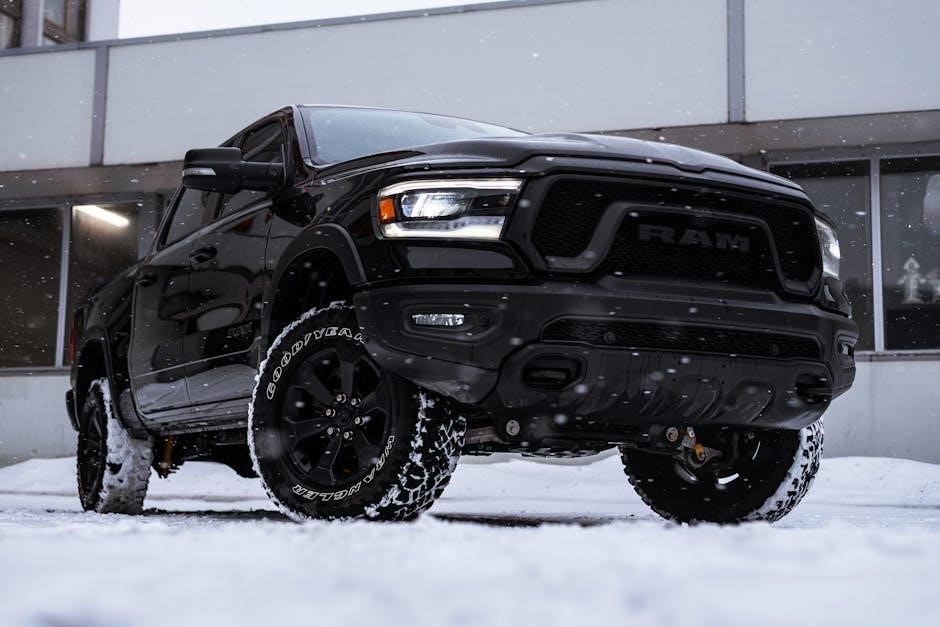
For individuals who frequently tow campers or other heavy equipment, the Ram 2500 presents a compelling solution, ensuring both power and control on the road. Careful consideration of payload capacity is also vital.
Ram 2500 Towing Capacity: A Step Up for Demanding Tasks
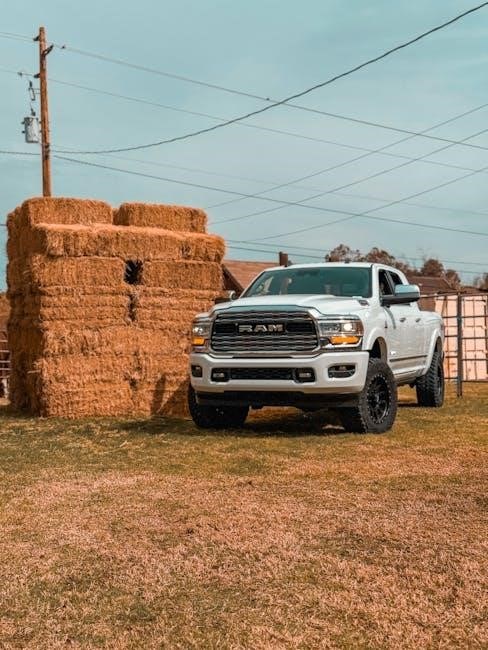
The Ram 2500 truly shines when tackling demanding towing tasks, offering a significant increase in capability over lighter-duty models. This truck is designed for owners who consistently haul substantial loads, such as large trailers, boats, or heavy equipment. It provides the power and stability needed for confident towing.
Manufacturers are cautious about publishing precise towing data due to numerous influencing factors, including tire specifications and suspension modifications. However, the Ram 2500 consistently delivers impressive performance.
Properly equipped, the Ram 2500 can handle substantial weight, making it ideal for both recreational and professional applications. Understanding weight ratings and utilizing available towing features are crucial for maximizing its potential and ensuring a safe towing experience.
Ram 3500: The Ultimate Towing Machine
The Ram 3500 stands as the pinnacle of Ram’s towing prowess, engineered for those who require uncompromising capability. This heavy-duty workhorse is built to handle the most demanding tasks, exceeding the towing capacity of the 1500 and 2500 models significantly. It’s the go-to choice for professionals and enthusiasts alike.
For trailers exceeding 23,000 lbs, a fifth-wheel or gooseneck hitch is required with the Ram 3500. These configurations distribute weight more effectively, enhancing stability and control. Manufacturers emphasize careful consideration of weight calculations, adhering to SAE J2807 standards.
The Ram 3500 isn’t just about raw power; it’s about providing a secure and manageable towing experience. It represents the ultimate solution for those who prioritize maximum towing capacity and reliability.
Ram 3500: Fifth-Wheel and Gooseneck Towing Considerations (Over 23,000 lbs)
When towing trailers over 23,000 lbs with a Ram 3500, utilizing a fifth-wheel or gooseneck hitch is not merely recommended – it’s required. These hitch types offer superior weight distribution compared to conventional ball hitches, dramatically improving stability and control, especially with substantial loads;
Accurate weight calculations are paramount. Trailer Weight Rating and Tow Vehicle Trailering Weight must be determined as specified in SAE J2807 standards. This includes accounting for passenger weight (approximately 300 lbs), options weight (around 100 lbs), and trailering equipment weight (roughly 75 lbs).
Properly configured, the Ram 3500 with these hitch setups unlocks its maximum towing potential, providing a safe and confident towing experience for even the heaviest hauls. Careful planning and adherence to weight limits are crucial.
Towing Terminology: Key Definitions
Understanding towing terminology is crucial for safe and effective hauling with your Ram truck. SAE J2807 standards provide a consistent framework for weight calculations, ensuring accurate towing capacity determination. Key terms include Gross Vehicle Weight Rating (GVWR) – the maximum permissible weight of the fully loaded vehicle, and Gross Combined Weight Rating (GCWR), encompassing the vehicle and trailer weight.
Trailer Weight Rating refers to the loaded weight of the trailer itself. Tow Vehicle Trailering Weight is the weight the tow vehicle exerts on the hitch. Properly calculating these, alongside passenger and cargo weights, is vital. Ignoring these definitions can lead to exceeding limits and compromising safety.
Manufacturers adhere to these standards, but modifications can alter these ratings. Always consult your owner’s manual and consider professional guidance.
SAE J2807 Standards and Weight Calculations
SAE J2807 is the industry standard for determining vehicle towing capacity, ensuring consistent and reliable data. This standard dictates how manufacturers calculate maximum towing, considering factors like Gross Vehicle Weight Rating (GVWR), Gross Combined Weight Rating (GCWR), and weight distribution. Calculations include a standardized allowance for passengers (typically 300 lbs), options (around 100 lbs), and trailering equipment (approximately 75 lbs).
These calculations aren’t simply adding numbers; they involve complex formulas accounting for vehicle stability and braking performance. Understanding these standards is vital for safe towing. Exceeding GCWR is particularly dangerous, as it overloads the vehicle’s suspension, brakes, and drivetrain. Always verify your Ram truck’s specific towing capacity based on its configuration and adhere to SAE J2807 guidelines.
Essential Towing Features in Ram Trucks
Ram Trucks integrate several features designed to enhance towing safety and ease. The Trailer Sway Damping System utilizes the Electronic Stability Control system to detect and counteract trailer sway, providing drivers with greater control. This system automatically applies brakes to individual wheels to stabilize the trailer and vehicle.
Furthermore, the available Active-Level Four-Corner Air Suspension automatically adjusts ride height to maintain optimal stability, even with varying loads. This system minimizes squat and improves ride quality, enhancing comfort and control. These technologies, combined with features like integrated trailer brake control, make Ram Trucks exceptionally capable towing vehicles, offering confidence on long hauls and demanding tasks.
Trailer Sway Damping System
The Trailer Sway Damping System is a crucial safety feature integrated into Ram Trucks, designed to mitigate the dangerous effects of trailer sway. Utilizing the vehicle’s Electronic Stability Control (ESC) system, it continuously monitors for signs of trailer instability. When sway is detected, the system intelligently and automatically applies the brakes to specific wheels on the vehicle.
This selective braking creates a counter-torque, effectively resisting the sway and bringing the trailer back into alignment. The system works seamlessly, often without the driver even realizing it’s been activated, providing a significant boost to towing confidence and safety. It’s a proactive system, helping to prevent potentially hazardous situations before they escalate, ensuring a more controlled towing experience.
Active-Level Four-Corner Air Suspension
Ram Trucks’ Active-Level Four-Corner Air Suspension dramatically enhances towing stability and ride comfort. This sophisticated system replaces traditional steel springs with adjustable air springs at each wheel. These springs automatically level the vehicle, regardless of load, maintaining a consistent ride height and optimal handling characteristics.
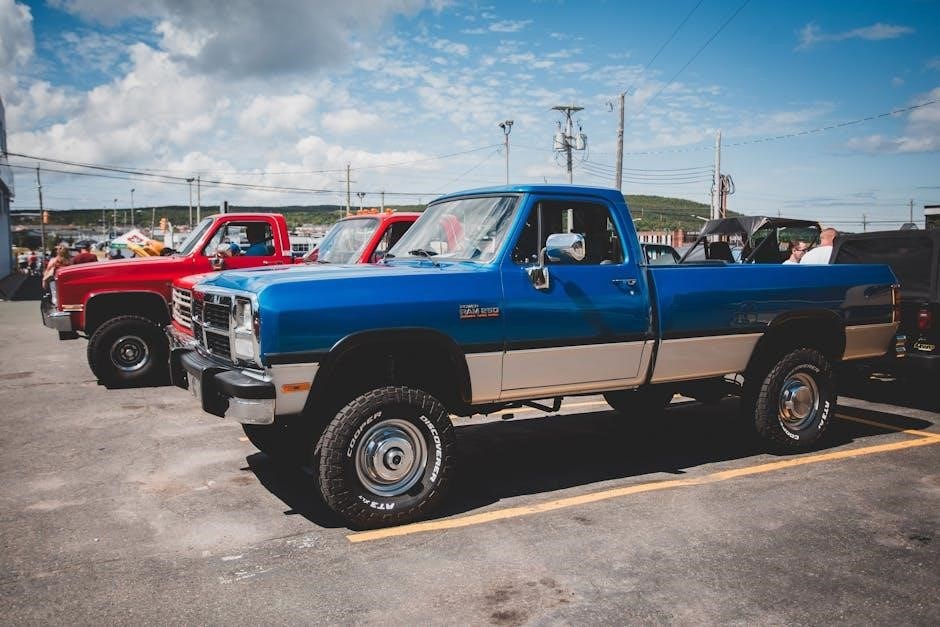
When towing, the system proactively compensates for the added weight of the trailer, preventing sag and ensuring a level towing platform. Drivers can also manually adjust the ride height to suit different terrains or loading scenarios. Beyond towing benefits, the air suspension delivers a remarkably smooth and comfortable ride, even when the truck is unloaded, improving overall driving experience.

The Impact of Modifications on Towing Capacity
Ram Truck towing capacities are established with factory-installed equipment; modifications can significantly alter these figures. Common alterations like suspension lifts, leveling kits, and oversized tires frequently reduce a truck’s maximum towing capability. Changing ride height affects weight distribution and aerodynamic efficiency, impacting stability and control while towing.

Manufacturers are cautious about publishing data for modified vehicles due to liability concerns. Even seemingly minor changes can have a dramatic effect. It’s crucial to understand that altering suspension or tire size voids the original towing specifications. Owners should consult with qualified professionals to reassess towing capacity after any modifications, ensuring safe and legal operation.
Suspension Modifications and Tire Upgrades
Suspension modifications, such as lifts and leveling kits, are popular for Ram 1500 owners, but they directly impact towing. Altering the factory suspension geometry changes the vehicle’s center of gravity and spring rates, reducing stability under load. Larger tires, while visually appealing, also affect towing. Increased tire diameter alters the axle ratio, potentially decreasing engine power and increasing strain on the drivetrain.
These changes necessitate a re-evaluation of towing capacity. Simply adding a lift or larger tires without accounting for the impact on weight distribution and handling is unsafe. Professional re-calibration and potentially upgraded components – like stronger shocks and springs – may be required to maintain safe towing performance. Ignoring these factors can lead to diminished control and increased risk of accidents.
Choosing the Right Ram Truck for Your Towing Needs

Selecting the appropriate Ram truck hinges on your specific towing requirements. For occasional, lighter loads – campers towed once or twice a year over shorter distances – the Ram 1500, with its up to 12,750 lbs capacity, may suffice. However, frequent towing or heavier loads demand a more robust solution.

The Ram 2500 bridges the gap, offering increased power and towing capacity for demanding tasks. If you regularly tow substantial trailers, or require the capability for heavier-duty work, the 2500 is a prudent choice. For the most extreme towing needs – exceeding 23,000 lbs with fifth-wheel or gooseneck hitches – the Ram 3500 reigns supreme, providing unparalleled strength and stability.
Ram 1500 vs. Ram 2500: Which is Right for You?
The choice between the Ram 1500 and Ram 2500 fundamentally depends on the weight and frequency of your towing. The 1500, capable of up to 12,750 pounds with the 5.7L HEMI V8 eTorque, excels for recreational towing – boats, smaller campers, or occasional hauls. However, modifications like leveling kits or larger tires can significantly impact its capacity.
Stepping up to the Ram 2500 unlocks substantially more power and a higher towing threshold, ideal for those consistently tackling heavier loads. If you frequently tow larger trailers, construction equipment, or require a greater safety margin, the 2500 is the superior option. It’s a worthwhile investment for those prioritizing capability and long-term durability under stress.
Safety Considerations When Towing with a Ram Truck
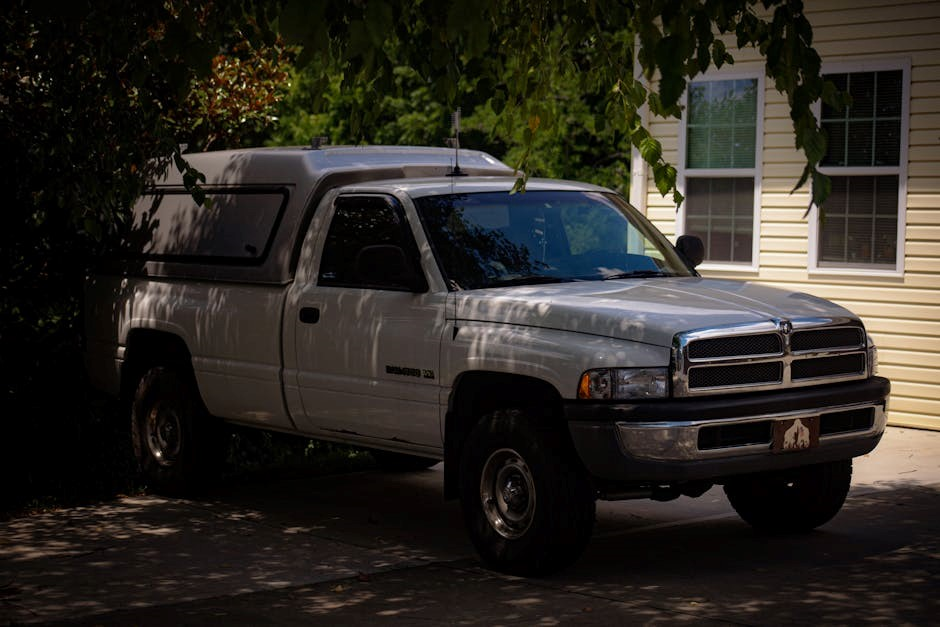
Prioritizing safety is paramount when towing with any Ram Truck. Regularly inspect your trailer connections, brakes, and lights before each journey. Utilize features like the Trailer Sway Damping System and Active-Level Four-Corner Air Suspension to enhance stability and control, especially during long trips or adverse weather conditions.
Always adhere to posted speed limits and allow for increased stopping distances. Be mindful of the trailer’s weight distribution and ensure it’s properly balanced. Avoid sudden maneuvers and brake gradually. Remember, modifications to your Ram, such as suspension changes, can affect towing capacity and safety – always verify updated limits. Proper planning and cautious driving are crucial for a secure towing experience.
Resources for Determining Your Ram Truck’s Towing Capacity
Accurately determining your Ram Truck’s towing capacity is vital for safe and legal towing. Begin with your vehicle’s owner’s manual, which provides specific figures based on configuration. Refer to the doorjamb sticker for Gross Vehicle Weight Rating (GVWR) and Gross Combined Weight Rating (GCWR) information.
Consult the SAE J2807 standards for weight calculation methodologies. Dealerships like Kings CDJR offer expert guidance to navigate these details. Online resources from Ram Trucks’ official website provide towing guides and calculators. Remember that modifications, like suspension upgrades or tire changes, can alter these capacities, necessitating re-evaluation. Always prioritize verified data over anecdotal information to ensure a confident towing experience.