
Can You Put an Auto Start on a Manual Car? ⎻ An In-Depth Guide (12/10/2025)
Yes, you can! Though considerably more hazardous than with automatics, remote starting a manual transmission vehicle is possible․ Brands like Compustar and Python offer solutions,
but require careful consideration and proper installation to ensure safety․
Understanding the Core Challenge

The fundamental difficulty in adding a remote start to a manual transmission vehicle lies in the inherent safety mechanisms built into these cars․ Unlike automatic transmissions, a manual car possesses a direct mechanical link between the engine and the wheels when not in neutral or with the clutch depressed․ This means the engine, upon starting, will attempt to rotate the drivetrain, potentially causing the vehicle to lurch forward or backward – a significant hazard․
Manufacturers, like Honda, generally avoid offering factory remote start options for manual cars precisely because of this risk․ The core challenge isn’t simply activating the starter motor; it’s ensuring the car cannot be started in gear․ This necessitates a robust system that reliably verifies the vehicle is in neutral and that the clutch is fully disengaged before allowing the engine to ignite․
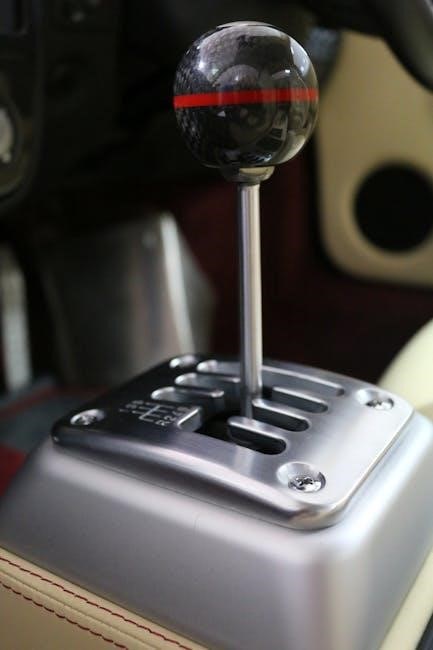
The standard clutch switch, designed to allow operation only when depressed, becomes a critical component in any aftermarket remote start solution․ Bypassing this switch without adequate safeguards is extremely dangerous and can lead to unintended vehicle movement and potential damage․
The Role of the Clutch Switch
The clutch switch is absolutely central to enabling a safe remote start on a manual transmission vehicle․ Its primary function, during normal operation, is to ensure the engine can only start when the clutch pedal is fully depressed․ This prevents accidental engagement of the drivetrain while starting, a common issue without such a safety measure․
In a remote start system, the clutch switch’s role is expanded․ It becomes a crucial verification point, confirming the clutch is disengaged before the starter motor is activated remotely․ The system relies on this signal to guarantee the car isn’t in gear and won’t move unexpectedly․ Any attempt to start the engine without a confirmed disengaged clutch is blocked by the remote start module․
However, simply having a clutch switch isn’t enough․ The integrity of the switch and its wiring must be flawless․ A faulty switch or compromised wiring can lead to false readings, potentially allowing the car to start in gear․ Therefore, thorough testing and reliable installation are paramount when integrating a remote start system․
Electrical Lockout Systems: Park/Neutral vs․ Clutch
Automated vehicles typically employ a Park/Neutral safety switch as an electrical lockout, preventing starting unless the transmission is in Park or Neutral․ This system relies on the transmission’s physical position to authorize engine start․ Manual transmission vehicles, however, necessitate a different approach due to the absence of a Park position and the direct mechanical link between the engine and wheels․
This is where the clutch switch becomes vital․ Instead of monitoring transmission position, it monitors clutch pedal engagement․ The electrical circuit is only completed – allowing the starter to function – when the clutch is depressed․ This ensures the engine won’t crank if the car is in gear․ Some vehicles even utilize the brake pedal as a lockout, adding another layer of security․
The key difference lies in the monitored parameter․ Automatic systems focus on transmission state, while manual systems prioritize clutch disengagement․ Understanding this distinction is crucial when installing a remote start, as the system must correctly interpret the signal from the clutch switch to prevent unintended vehicle movement․
Why Manufacturers Often Don’t Offer Manual Remote Start
Honda, for example, refrains from offering factory remote start options for manual transmission vehicles, highlighting a broader industry trend․ The primary reason centers around inherent safety concerns and potential liability․ Unlike automatic transmissions, a manual car can start in gear if the clutch isn’t fully depressed, posing a significant risk of unintended vehicle movement․
Manufacturers prioritize minimizing risk․ Implementing a foolproof remote start system for manuals requires complex engineering and rigorous testing to guarantee it won’t bypass safety mechanisms․ The potential for user error – forgetting to leave the car in neutral – further complicates matters, potentially leading to starter motor damage or, worse, an accident․
Offering a potentially hazardous feature opens manufacturers to legal repercussions․ It’s simply deemed less risky to avoid offering the option altogether, despite consumer demand․ Aftermarket solutions exist, but these place the onus of safe installation and operation on the vehicle owner and installer․
The Hazard of Starting in Gear
The core danger lies in the direct mechanical link between the engine and wheels in a manual transmission when not in neutral or with the clutch depressed․ If a manual car starts while in gear – even with the brakes firmly applied – the engine will attempt to rotate the drivetrain․ This creates immense stress on the entire system․
While the brakes should hold, the force generated can overcome them, leading to vehicle movement․ More immediately, the starter motor is subjected to a massive load, drastically increasing the risk of catastrophic failure․ Repeatedly starting in gear will “fuck your starter real quick,” as one Reddit user succinctly put it․
This isn’t merely a theoretical concern; it’s a fundamental principle of manual transmission operation․ The engine is designed to move the vehicle, and attempting to do so against a restrained system causes significant strain․ A remote start system must reliably prevent this scenario, making safety paramount in any aftermarket installation․
Compustar as a Leading Solution
Compustar has emerged as a frontrunner in the manual transmission remote start market, largely due to its sophisticated safety features and broad vehicle compatibility․ Unlike many manufacturers who avoid offering solutions for manual vehicles – Honda being a notable example – Compustar actively engineers systems to address the unique challenges․
Their systems aren’t simply universal add-ons; they’re designed to integrate with a vehicle’s existing electrical systems, specifically focusing on bypassing the clutch switch safely․ Compustar’s approach prioritizes preventing accidental starts in gear, utilizing multiple layers of security and verification․
The brand boasts the ability to “safely add” remote start to “almost any manual transmission vehicle,” a claim supported by a network of authorized dealers specializing in complex installations․ This dedication to manual transmission compatibility sets Compustar apart, offering a viable solution where others don’t․ They offer a range of models to suit different budgets and feature preferences․
Manual Transmission Remote Start Systems: How They Work
Unlike automatic systems relying on Park or Neutral safety switches, manual transmission remote start requires a more intricate process․ The core principle involves temporarily bypassing the clutch switch – the safety mechanism preventing starting in gear․ However, this isn’t a simple override․
Systems like Compustar and Python utilize a multi-step verification process․ Typically, the remote start will only engage if the vehicle is confirmed to be in neutral․ This confirmation often involves a relay that checks the position, and some systems may even require the parking brake to be engaged․
The system momentarily disengages the clutch switch during the start sequence, allowing the starter motor to crank․ Once the engine is running, the system re-engages the safety features․ Crucially, these systems are designed to prevent starting if the car isn’t in neutral, safeguarding the starter motor from potential damage․ Proper installation and calibration are paramount for safe operation․
Bypassing the Clutch Switch: Risks and Considerations
Directly bypassing the clutch switch without a sophisticated remote start system is extremely dangerous and strongly discouraged․ The clutch switch exists to prevent accidental starting in gear, which could cause the vehicle to lurch forward or backward with significant force, leading to property damage, injury, or even fatalities․
Even with a remote start system, risks remain if the system malfunctions or isn’t properly installed․ A faulty relay or incorrect wiring could allow the car to start in gear despite the safety measures․ Furthermore, consistently starting the car without fully depressing the clutch can put undue stress on the starter motor, potentially leading to premature failure․
It’s vital to understand that bypassing the switch isn’t simply about enabling remote start; it’s about overriding a critical safety feature․ Professional installation and a reputable brand like Compustar or Python are essential to mitigate these risks and ensure the system operates safely and reliably․
The Necessity of Parking in Neutral
Parking in neutral is absolutely crucial when utilizing a remote start system on a manual transmission vehicle․ Unlike automatic transmissions with Park/Neutral safety switches, manual cars rely on the clutch switch – or a bypassed system requiring neutral – to prevent unintended movement upon startup․ If the vehicle is left in gear, even with the parking brake engaged, the engine’s torque will attempt to turn the wheels․
This can result in a sudden lurch forward or backward, potentially overcoming the parking brake and causing a runaway vehicle․ Remote start systems designed for manual transmissions incorporate features that verify the vehicle is in neutral before allowing the engine to start․ However, relying solely on the system is unwise․
Developing a consistent habit of shifting into neutral before exiting the vehicle is paramount․ Forgetting this step, even once, could lead to significant damage to the starter, surrounding components, or even cause a dangerous accident․ Prioritizing this simple action ensures safe and reliable remote starting․
Potential Damage to the Starter Motor

Starting a manual transmission vehicle in gear poses a significant threat to the starter motor․ The starter is designed to engage and rotate the engine to initiate combustion, but it isn’t built to overcome the resistance of the drivetrain when the car is in gear․ Attempting to start the engine under this load places immense stress on the starter’s gears and motor windings․
This excessive strain can lead to premature wear, stripped gears, or even complete starter failure․ Repeated instances of starting in gear will drastically shorten the starter’s lifespan, resulting in costly repairs․ Even a momentary slip into gear during a remote start attempt can inflict damage․
Bypassing the clutch switch without ensuring the vehicle is in neutral effectively removes this critical safety measure․ Therefore, a properly installed and functioning remote start system, coupled with a consistent habit of parking in neutral, is vital to protect the starter motor from unnecessary and potentially catastrophic damage․
Safety Features in Manual Remote Start Kits
Modern manual transmission remote start kits incorporate several crucial safety features to mitigate the inherent risks․ A primary safeguard is the requirement for the vehicle to be in neutral before the system will allow starting․ This is typically enforced through a sophisticated interface with the transmission’s sensors․
Furthermore, many systems include a “brake override” feature, preventing the engine from starting if the brake pedal isn’t depressed during the remote start sequence․ This adds an extra layer of security, ensuring the vehicle remains stationary․ Advanced kits, like those from Compustar, often feature multiple verification stages․
These systems also monitor for potential issues, such as an accidentally engaged gear, and will disable the remote start function if a problem is detected․ Proper installation by a qualified technician is paramount to ensure these safety features function correctly, protecting both the vehicle and its surroundings․
Compustar vs․ Python: Brand Comparison

When considering manual transmission remote start systems, Compustar and Python emerge as leading brands, each with distinct strengths․ Compustar is widely recognized for its comprehensive compatibility, boasting solutions for a broader range of vehicles, and is often cited as being able to safely add remote start to almost any manual․
Python, while also reputable, may have limitations in vehicle support․ Both brands offer features like smartphone control and extended range, but Compustar frequently leads in advanced features and customization options․ Installation complexity can vary, but both require professional expertise due to the intricacies of bypassing the clutch switch․
Price points are generally comparable, though specific kit features and installation costs will influence the final expense․ Ultimately, Compustar’s broader compatibility and advanced features often make it the preferred choice for manual transmission vehicles, offering a more robust and reliable solution․
Installation Complexity and Professional Installation
Installing a remote start system in a manual transmission vehicle is significantly more complex than in an automatic․ It necessitates bypassing the clutch safety switch, a critical component preventing starting in gear․ This requires precise wiring and a thorough understanding of the vehicle’s electrical system․ Incorrect installation can lead to starter damage, or even allow the car to start in gear, creating a dangerous situation․
Due to these complexities, professional installation is strongly recommended․ Qualified technicians possess the expertise to safely bypass the clutch switch, integrate the system with existing security features, and ensure proper functionality․ They will also verify the system adheres to local regulations․
Attempting a DIY installation without adequate knowledge is risky and could void vehicle warranties․ A professional installation guarantees a secure and reliable system, minimizing the potential for costly errors or safety hazards․ Expect the installation to take several hours, depending on the vehicle’s make and model․
Cost of Manual Transmission Remote Start Installation
The cost of a manual transmission remote start installation varies considerably, influenced by the chosen system’s features, the vehicle’s complexity, and labor rates․ Generally, expect to pay more than for an automatic transmission vehicle due to the added complexity of bypassing the clutch switch and ensuring safety protocols are met․
A basic remote start system, including parts and professional installation, typically ranges from $300 to $600․ However, systems with advanced features like smartphone control, extended range, or two-way communication can easily exceed $700 to $1500 or more․ Brands like Compustar and Python, known for their manual transmission compatibility, often fall into the higher end of this range․
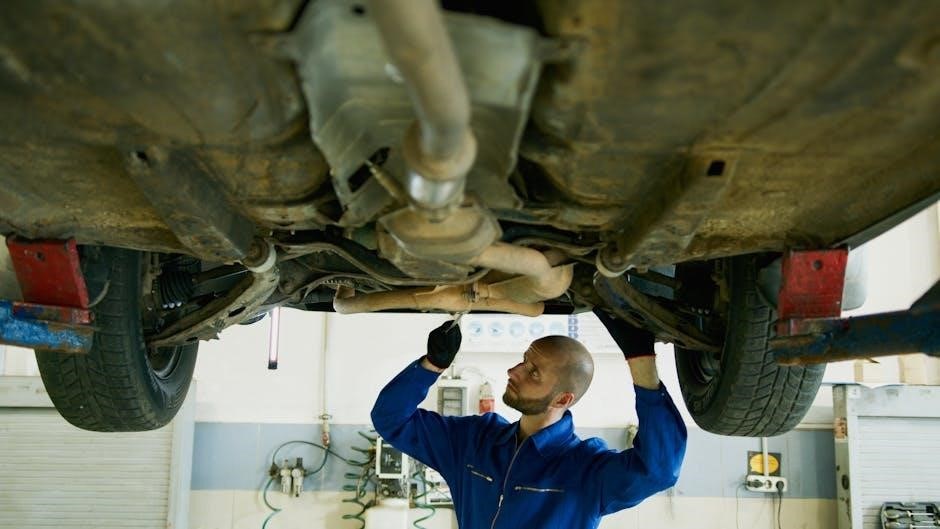
Additional costs may include bypass modules (if required), installation of a hood pin switch, and any necessary diagnostic fees․ It’s crucial to obtain quotes from multiple reputable installers to compare pricing and ensure a transparent breakdown of all associated costs before proceeding․
Legal Considerations and Local Regulations
Before investing in a manual transmission remote start system, it’s vital to investigate local laws and regulations․ While generally legal, some jurisdictions may have specific requirements or restrictions regarding remote starters, particularly concerning unattended vehicle operation․ These regulations can vary significantly by state, province, or even municipality․
Certain areas might prohibit leaving a vehicle running unattended for extended periods, regardless of whether it’s equipped with a remote start․ Others may require specific safety features, such as a parking brake engagement requirement, to be functional alongside the remote start system․ Always check with your local Department of Motor Vehicles (DMV) or equivalent agency to confirm compliance․
Furthermore, insurance companies may have policies regarding remote starters․ It’s prudent to inform your insurer about the installation, as it could potentially affect your coverage or premiums․ Ignoring these legal and regulatory aspects could lead to fines or other penalties․
Alternative Solutions: Considering Automatic Transmission Swaps (Briefly)
While adding remote start to a manual is possible, a more straightforward – though significantly more expensive – alternative is swapping the manual transmission for an automatic․ This eliminates the complexities of bypassing the clutch switch and ensures compatibility with standard remote start systems designed for automatic vehicles․
However, a transmission swap is a substantial undertaking․ It involves not only the transmission itself but also potentially the engine control unit (ECU), driveshaft, shifter assembly, and related wiring․ The cost can easily exceed several thousand dollars, making it a less appealing option for many vehicle owners․
Furthermore, a transmission swap can affect the vehicle’s performance characteristics and potentially its resale value․ It’s a modification that requires careful planning and professional execution․ For most, the cost and complexity outweigh the benefits, making a dedicated manual transmission remote start system a more practical solution․
Troubleshooting Common Issues with Manual Remote Start
One frequent issue is the system failing to start if the vehicle isn’t precisely in neutral․ Even a slight incline can cause the transmission to engage, preventing the starter from turning over․ Double-check the parking brake and ensure the gear selector is fully in neutral before attempting a remote start․
Another common problem involves the clutch switch itself․ A faulty or improperly bypassed switch can lead to intermittent starting issues or prevent the system from functioning altogether․ Inspect the switch and its wiring for damage or corrosion․
Low battery voltage can also cause problems, as remote start systems require sufficient power to operate․ Ensure the battery is fully charged and in good condition․ Finally, interference from other electronic devices can sometimes disrupt the remote signal․ Try relocating the antenna or minimizing potential sources of interference․
Future Trends in Manual Vehicle Technology and Remote Start

As manual transmissions become increasingly niche, development of dedicated remote start systems may slow․ However, advancements in vehicle integration and software could lead to more sophisticated solutions․ We might see systems that utilize the car’s existing sensors to confirm neutral with greater accuracy, reducing the risk of starter damage․
Furthermore, improved cybersecurity measures will be crucial as vehicles become more connected․ Protecting remote start systems from hacking and unauthorized access will be paramount․ Integration with smartphone apps and voice assistants is also likely to become more prevalent, offering enhanced control and convenience․
Ultimately, the future of manual transmission remote start hinges on continued demand for these vehicles and the willingness of manufacturers and aftermarket companies to invest in innovative solutions․ Expect smarter, safer, and more user-friendly systems as technology evolves․