
Welcome! This Tiger cooker offers advanced technology for perfect rice. Explore included manuals, PDF guides, and recipes for optimal performance.
Understanding the Key Features
Tiger rice cookers boast microcomputer control, ensuring precise temperature and timing for consistently delicious results. Key features include specialized cooking modes for various rice types – white, brown, sushi, and more – alongside a convenient “Keep Warm” function. Explore downloadable PDF manuals and the JBV-S cookbook for detailed program utilization.
Advanced models, like the JBV-S series, offer unique specialty programs and a delay timer for scheduled cooking. These cookers prioritize ease of use and superior rice quality, as highlighted in available instruction resources.
Safety Precautions
Important! Always read the instruction manual before operating your Tiger rice cooker. Do not immerse the cooker base in water or any liquids. Avoid using damaged cords or plugs. Ensure proper ventilation during operation to prevent steam buildup.
Never attempt to repair the cooker yourself; contact qualified service personnel. Keep the cooker away from flammable materials. Unplug the cooker when not in use and before cleaning. Improper use may cause scalding from steam or sprayed contents – refer to the PDF for details.
Getting Started: Initial Setup
Begin by carefully unboxing your Tiger cooker and reviewing all components. Thoroughly clean the inner pot and cooker before first use, following manual guidelines.
Unboxing and Component Check
Carefully open the box and verify all listed components are present. You should find the Tiger rice cooker base, inner cooking pot, rice scoop, measuring cup, steam vent cap, and the instruction manual – including a separate cookbook PDF for JBV-S series. Inspect each item for any damage sustained during shipping. Ensure the power cord is included and undamaged. Refer to the manual’s parts diagram to confirm everything matches. Missing components should be reported immediately to customer support for a swift replacement, ensuring a complete setup experience.
First-Time Use: Cleaning the Cooker
Before your first use, thoroughly clean all removable parts – the inner pot, rice scoop, measuring cup, and steam vent cap – with warm, soapy water. Rinse completely and dry. Wipe the cooker’s interior and exterior with a damp cloth. Do not immerse the cooker base in water! This initial cleaning removes any manufacturing residue. A first-time ‘test cook’ with a cup of water, then discarding it, is recommended. Consult the manual for detailed cleaning instructions to maintain optimal performance and longevity of your Tiger appliance.
Understanding the Control Panel
Explore the intuitive control panel! Button functions and display indicators guide you through cooking modes for perfect results, as detailed in your manual.
Button Functions Explained
The Start/Stop button initiates and cancels cooking cycles. Menu selection allows choosing rice types and programs. Keep Warm/Cancel switches between warming and stopping the cooker. Timer sets delayed starts, offering convenience. Refer to your instruction manual for specific button combinations and program details. Understanding these functions ensures optimal performance and unlocks the full potential of your Tiger rice cooker. Explore the PDF for visual aids and detailed explanations of each control, maximizing your cooking experience.
Display Indicators and Meanings
The display panel provides crucial information during operation. “Cook” indicates the cooking cycle is active. “Warm” signifies the keep-warm function is engaged; Error codes signal potential issues – consult your manual for solutions. Timer indicators show the delay start time. A flashing indicator often means a setting needs adjustment. Refer to the PDF instruction manual for a comprehensive list of all indicators and their specific meanings, ensuring proper operation of your Tiger rice cooker.

Cooking Rice: Basic Instructions
Start with precise measurements of rice and water, then select the correct cooking mode. Press start to begin the cycle for fluffy, perfect rice!
Measuring Rice and Water
Accurate measurement is key! Use the provided Tiger measuring cup for consistent results; do not use standard kitchen cups. Refer to your cooker’s manual for specific rice-to-water ratios, as they vary by rice type. Generally, a 1:1 ratio works well for white rice. For brown rice, a slightly higher water level is recommended.
Ensure you are using clean, fresh water. Markings inside the inner pot indicate water levels for different cup measurements. Precise ratios guarantee perfectly cooked rice every time, avoiding dryness or a soggy texture.
Selecting the Appropriate Cooking Mode
Your Tiger cooker offers versatile modes! Consult the instruction manual to understand each setting. White rice mode is standard, while brown rice requires a longer cooking time. Specialized programs exist for porridge, sushi rice, or quick cooking.
The JBV-S series features unique programs – explore the included cookbook PDF for recipes. Selecting the correct mode ensures optimal texture and flavor. Incorrect settings may result in undercooked or overcooked rice. Experiment to find your preferences!
Starting the Cooking Cycle
Once the mode is selected, press the “Start” button! The cooker will automatically begin the cooking process. The display will indicate the remaining cooking time. Avoid opening the lid during operation, as this releases steam and affects cooking.
Refer to your instruction manual for specific cycle durations. The Tiger cooker will switch to “Keep Warm” mode upon completion. Enjoy perfectly cooked rice! Ensure proper ventilation around the cooker during operation.
Advanced Cooking Techniques
Explore diverse rice types! Utilize the “Keep Warm” and “Delay Timer” functions for convenience. Consult the cookbook for specialty programs and recipes.
Cooking Different Types of Rice
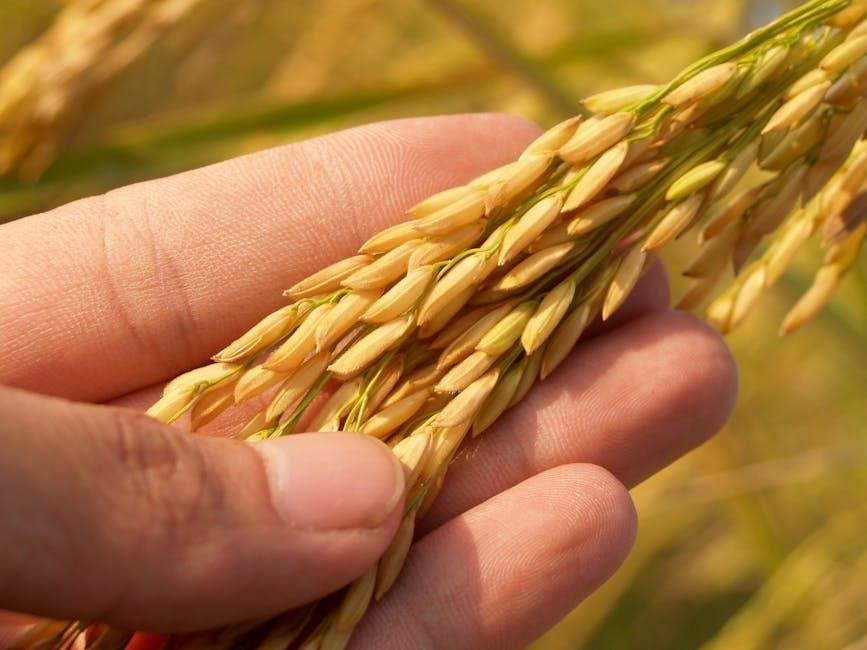
Tiger cookers excel beyond white rice! Experiment with brown rice, sushi rice, and even porridge using specialized cooking modes. Adjust water levels according to the rice type – consult your manual or the included cookbook for precise ratios. Different varieties require varying cooking times; the cooker’s pre-programmed settings simplify this process. Remember, proper water quality impacts the final result, so filtered water is recommended. Explore the possibilities and enjoy perfectly cooked rice every time, tailored to your preference!
Using the Keep Warm Function
Tiger cookers feature a convenient Keep Warm function, automatically activating after cooking completes. This maintains rice at an ideal temperature for extended periods without overcooking. While effective, prolonged warming (over 12 hours) may slightly dry out the rice. For best results, occasionally fluff the rice during extended Keep Warm usage. Refer to your instruction manual for specific Keep Warm duration recommendations based on your model. Enjoy perfectly held rice whenever you’re ready to serve!
Delay Timer Functionality
Tiger’s Delay Timer allows pre-programmed cooking, ensuring freshly cooked rice precisely when desired. Consult your instruction manual to set the timer, specifying the desired start time. Ensure rice and water are measured correctly before setting the delay. Avoid using perishable ingredients with the delay function. The cooker will automatically switch to Keep Warm once cooking finishes. Proper setup guarantees convenient, timed rice preparation, fitting seamlessly into your schedule for a delightful meal.
Cleaning and Maintenance
Regular cleaning extends your Tiger cooker’s life! Daily wipe the exterior; deep clean the inner pot and steam vent as detailed in the manual.
Daily Cleaning Procedures
After each use, unplug your Tiger rice cooker and allow it to cool completely. Remove the inner cooking pot and wash it thoroughly with warm, soapy water. Rinse and dry completely before replacing. Wipe the exterior of the cooker with a damp cloth to remove any splatters or residue.
Pay special attention to the steam vent, ensuring it’s free from blockages. Regularly cleaning prevents steam buildup and ensures proper function. Avoid abrasive cleaners, as they can damage the non-stick coating. Refer to your instruction manual for specific cleaning recommendations related to your model.
Deep Cleaning Instructions
Periodically, perform a deep clean of your Tiger rice cooker. Remove all detachable parts – inner pot, steam vent, and measuring cup – and wash them thoroughly. For stubborn residue in the inner pot, simmer a solution of water and vinegar for a few minutes, then scrub gently.
Wipe down the cooker’s interior with a damp cloth. Do not immerse the main unit in water! Ensure all parts are completely dry before reassembling. Consult your instruction manual for detailed guidance and specific warnings regarding your model’s deep cleaning process.
Troubleshooting Common Issues
If your Tiger cooker isn’t functioning correctly, first consult the instruction manual for error codes. Wet or dry rice often indicates incorrect water measurements – adjust accordingly. A cooker failing to power on may have a faulty power cord or internal issue; check the connection first.
For persistent problems, review online support resources or the PDF manual. Do not attempt to disassemble the unit yourself; contact customer support for assistance and potential repair options to maintain warranty validity.
Specific Model Features (JBV-S Series)
JBV-S series offers unique cookbook recipes and specialized cooking programs. Download the JBV-S cookbook PDF for enhanced culinary experiences with your Tiger cooker!
Utilizing the Cookbook Recipes
Unlock culinary potential! The JBV-S series cookbook PDF provides diverse recipes tailored for your Tiger rice cooker. Explore dishes beyond basic rice, including flavorful meals and unique preparations. Carefully follow ingredient measurements and cooking mode selections detailed within each recipe.
Remember to adjust water levels based on rice type and desired texture. The cookbook offers guidance for optimal results, ensuring consistently delicious outcomes. Download and enjoy a world of flavorful possibilities with your Tiger appliance!
Understanding the Speciality Cooking Programs
Explore versatile functions! Your Tiger cooker features specialized programs beyond standard white rice. These include settings for brown rice, porridge, slow cook, and more, optimizing cooking parameters for each. Refer to your instruction manual or JBV-S cookbook for program-specific guidance.
Experiment with different settings to discover new culinary possibilities. Understanding these programs unlocks the full potential of your appliance, delivering perfectly cooked results every time. Enjoy diverse and convenient meal preparation!
Troubleshooting Common Problems
Facing issues? Check for error codes in your manual. Wet or dry rice often requires adjusting water levels. Ensure the cooker is properly powered on.
Rice is Too Wet or Too Dry
Addressing Rice Texture: If rice is consistently too wet, reduce the water slightly during the next cooking cycle. Conversely, if it’s too dry, increase the water incrementally. Remember to consult your instruction manual for precise water-to-rice ratios specific to your Tiger model.
Different rice varieties require varying amounts of water. Experimentation is key! Ensure the steam vent isn’t blocked, as this can affect moisture release. Proper water quality also plays a role; filtered water is recommended. Refer to the PDF guides for detailed troubleshooting steps.
Error Codes and Their Solutions
Decoding Error Messages: Your Tiger rice cooker’s display may show error codes indicating specific issues. Consult the instruction manual – it lists each code and its corresponding solution. Common errors include sensor malfunctions or heating element problems.
Often, simply unplugging the cooker for a few minutes and restarting it can resolve minor glitches. For persistent errors, refer to the online PDF manual or contact Tiger support. Do not attempt self-repair; this could void your warranty and pose a safety risk.
Cooker Won’t Turn On
Troubleshooting Power Issues: If your Tiger rice cooker fails to power on, first verify the power cord is securely plugged into both the cooker and a functioning outlet. Check the outlet with another device to confirm it’s supplying power. Examine the power cord for any visible damage.
Consult the instruction manual for fuse information, if applicable. If problems persist, avoid attempting repairs yourself; contact Tiger customer support for assistance and potential service options.
Accessories and Optional Parts
Maintain your Tiger cooker with care! Regularly inspect the steam vent and lid. Proper cleaning of the rice scoop and measuring cup is essential.
Steam Vent and Lid Maintenance
Regularly inspect the steam vent for any blockages, ensuring efficient steam release during cooking. A clogged vent can affect cooking performance and potentially cause issues. Clean the lid thoroughly after each use, removing any rice residue or starch buildup. Use a soft, damp cloth to wipe down the lid’s interior and exterior surfaces. Avoid abrasive cleaners, as they may damage the lid’s finish. Ensure the lid seals properly to maintain consistent temperature and prevent leaks. Proper lid maintenance contributes to the longevity and optimal functioning of your Tiger rice cooker.
Rice Scoop and Measuring Cup Care
Always use the provided rice scoop and measuring cup for accurate rice-to-water ratios, crucial for optimal results. Wash the scoop and cup after each use with warm, soapy water, ensuring all rice starch is removed. Avoid using abrasive cleaners or scrub brushes, which can scratch the surfaces. Ensure they are completely dry before storing to prevent mildew. Do not use the scoop with other ingredients, as this can affect the taste of your rice. Proper care extends the life of these essential accessories.

Downloading the Instruction Manual
Access PDF manuals online via the Tiger website for your specific model (JBV-S series). Find support resources and detailed instructions easily!
Accessing the PDF Manual Online
Locate your Tiger rice cooker’s manual effortlessly through the official Tiger Corporation U.S.A. website. Numerous PDF versions are available for download, including specific guides like the JBV-S Cookbook PDF (10MB).
Simply navigate to their support section and search using your model number. These digital manuals provide comprehensive instructions, troubleshooting tips, and safety precautions. Ensure you have the latest version for optimal use and to fully understand all features of your appliance.
Finding Support Resources
Tiger Corporation U.S.A. offers extensive support beyond the PDF manuals. Their website provides a wealth of information, including FAQs and troubleshooting guides addressing common issues. Explore online articles detailing various rice cooker functionalities and maintenance procedures.
For personalized assistance, contact Tiger’s customer service directly. They can help with specific model questions or warranty claims. Remember to have your model number readily available when seeking support for a faster resolution to any concerns regarding your appliance.
Warranty Information
Tiger cookers come with a limited warranty covering defects in materials and workmanship. Review your manual for specific coverage details and the claim process.
Coverage Details
Tiger’s warranty typically covers manufacturing defects for a specified period, often one year from the purchase date. This includes issues with the cooker’s functionality, such as heating elements or control panel malfunctions. However, the warranty doesn’t cover damage resulting from misuse, accidents, or unauthorized repairs. Normal wear and tear, like scratches or minor cosmetic issues, are also generally excluded.
Always retain your proof of purchase, as it’s required for any warranty claim. Refer to the complete warranty information within your instruction manual or on the Tiger Corporation U.S.A. website for precise terms and conditions.
Claim Process
To initiate a warranty claim, contact Tiger Corporation U.S.A. customer support with your model number and proof of purchase. They will likely request a description of the issue and may ask for photos or videos demonstrating the defect. If a repair is approved, you may be asked to ship the cooker to an authorized service center.
Tiger will cover shipping costs for covered repairs. Keep all packaging and documentation related to the claim. Review your instruction manual for specific claim procedures and contact information.

Tips for Optimal Performance
Enhance your cooking! Use quality water and properly store rice for best results. Refer to your manual for specific rice type guidance.
Proper Water Quality
Optimal rice cooking relies heavily on water quality. Tiger recommends using filtered water to prevent mineral buildup within the cooker and ensure purer tasting rice. Hard water can leave residue, impacting performance and flavor. Avoid using softened water, as the sodium content can interfere with the cooking process. Distilled water isn’t ideal either, lacking minerals needed for starch gelatinization. Regularly cleaning your Tiger rice cooker, alongside using quality water, will extend its lifespan and consistently deliver delicious results. Consult your manual for detailed guidance.
Rice Storage Recommendations
Proper rice storage is crucial for maintaining freshness and quality before cooking with your Tiger cooker. Store uncooked rice in an airtight container, away from direct sunlight, heat, and moisture. A cool, dry pantry is ideal. Avoid storing rice near strong-smelling foods, as it can absorb odors. For long-term storage, consider freezing rice in airtight bags. Always check your manual for specific rice type storage advice, ensuring optimal results with your Tiger appliance.